What is the timeframe for car transport?
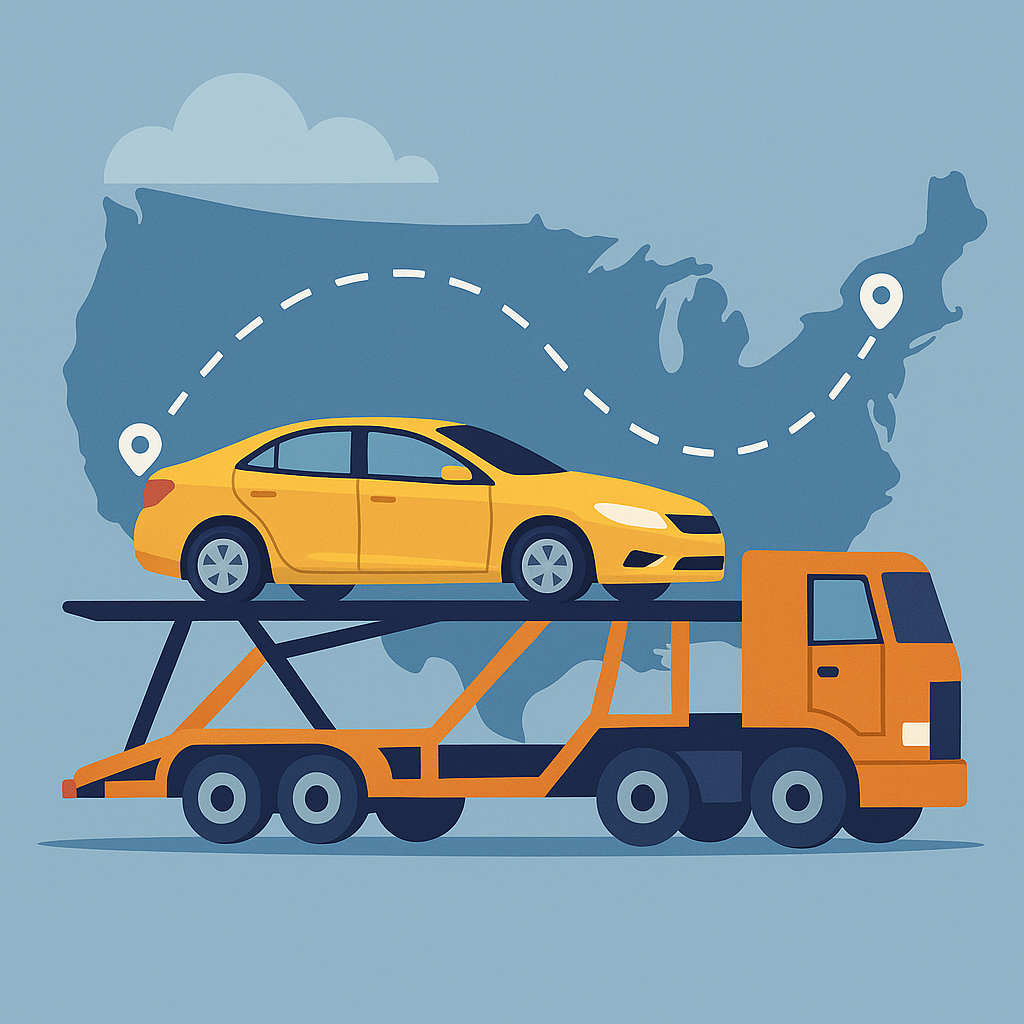
When customers enquire about the duration for the auto transport, it is one of the first questions they ask. The full explanation is not an exact figure because it depends on the distance, the journey, the season, and the set up. From my direct experience, I have seen certain vehicles being transported within a few days and some extend more than a week. I will explain these details in the order of the time it takes to transport a vehicle, the things that cause a delay, and how to get a vehicle transported at the earliest in this piece.
Car delivery timelines
The scheduled time for the pick-up of the shipment is not a guaranteed date and the shipment does not work on the drop-off date. Due to multiple pickups and drop-offs in a single route, transport schedules change as per earlier stop timings. While transport for neighboring states does not take more than a couple of days and cross-country runs may take two weeks, there are general ranges to estimate the transport time. Travel estimates are key to being prepared for bookings.
Shipping time per distance
Transport for lesser distances of 200-500 miles takes two to three days. The transporter may even get the car in the morning and drop it off the following day. Also, additional stops and traffic delays can prolong the transport.
For middle ranges such as 500-1500 miles, the transport duration of 4-6 days is quite common. Ranges such as Chicago to Dallas and Atlanta to Miami are notable for such. These runs have cars grouped together which can cause a wait time.
For long-distance moves, such as coast-to-coast (2,000 miles or more), the window is seven to ten days, sometimes a little longer in winter. These hauls involve multiple driver shifts, overnight stops, and route adjustments. If you’re scheduling a move that far, always allow extra days beyond the estimate. For a sense of how much pricing matches distance and time, review Car shipping costs.
Factors that affect delivery time
Traffic and weather are the two big unknowns. A snowstorm in the Rockies or gridlock outside a major city can set a truck back hours or days. Season also matters—summer and holidays bring higher demand, which sometimes stretches delivery windows further.
Pickup and drop-off locations make a difference too. Moves between major cities are faster because carriers travel those routes constantly. Rural pickups or deliveries often mean detours, which adds time. Access restrictions—like tight neighborhoods or gated communities—can also slow things down if the driver has to arrange a meeting spot.
Truck capacity and scheduling also affect timing. If a carrier is waiting for enough vehicles to fill a load, your car may sit an extra day at the start. Once on the road, though, most drivers push to stay on schedule, since late deliveries affect the rest of their route.
Speed tips for faster delivery – FAQ
Is there a way to guarantee faster delivery?
Not exactly, but booking early and choosing door-to-door service helps. Carriers are more likely to prioritize loads that are confirmed and ready on time.
Does paying more get the car moved sooner?
Sometimes. Higher rates can attract carriers more quickly, especially during busy seasons. Offering a competitive price usually gets your car assigned faster.
Should I meet the driver at a better location?
Yes. If your home is in a difficult area, offering to meet at a wide road or nearby parking lot can save the driver time and may speed up delivery.
Does enclosed transport move quicker?
It can, but not always. Enclosed carriers haul fewer cars, so they may be more flexible, but they’re also less common. Availability depends on the route.
How can I prepare to avoid delays?
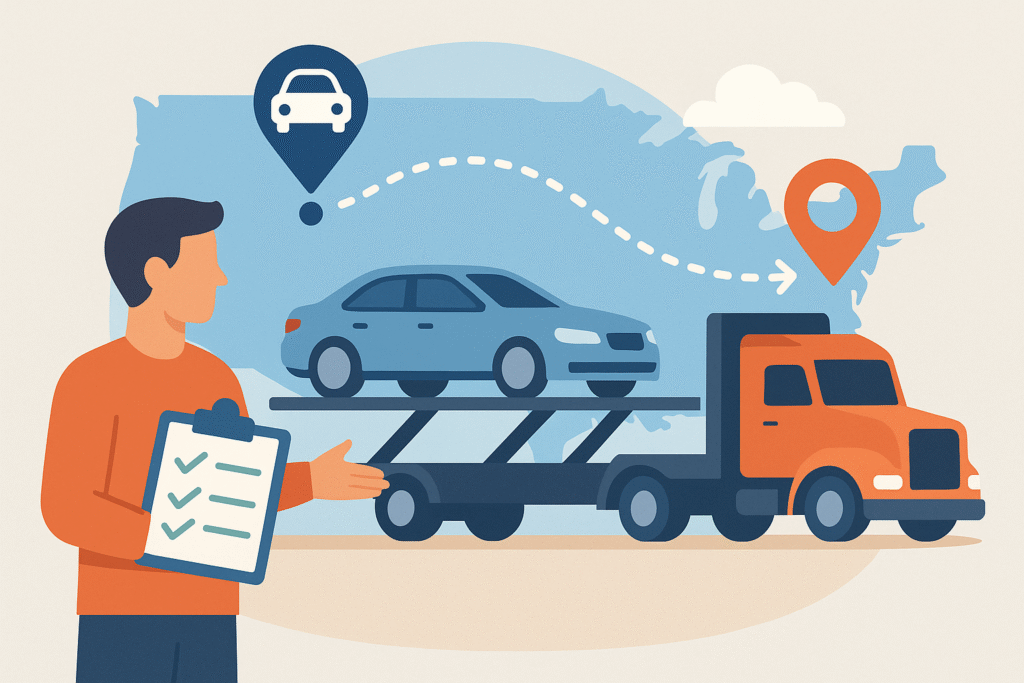
Have the car ready, clean, and free of belongings. A low tank of fuel and working battery keep loading smooth. For a checklist, see Preparing your car.
In the end, car shipping isn’t an exact clock, but by understanding distance-based timelines and staying flexible with pickup and delivery, you’ll know what to expect. Plan for the realistic range, prepare your car properly, and you’ll make the process smoother for both you and the carrier.