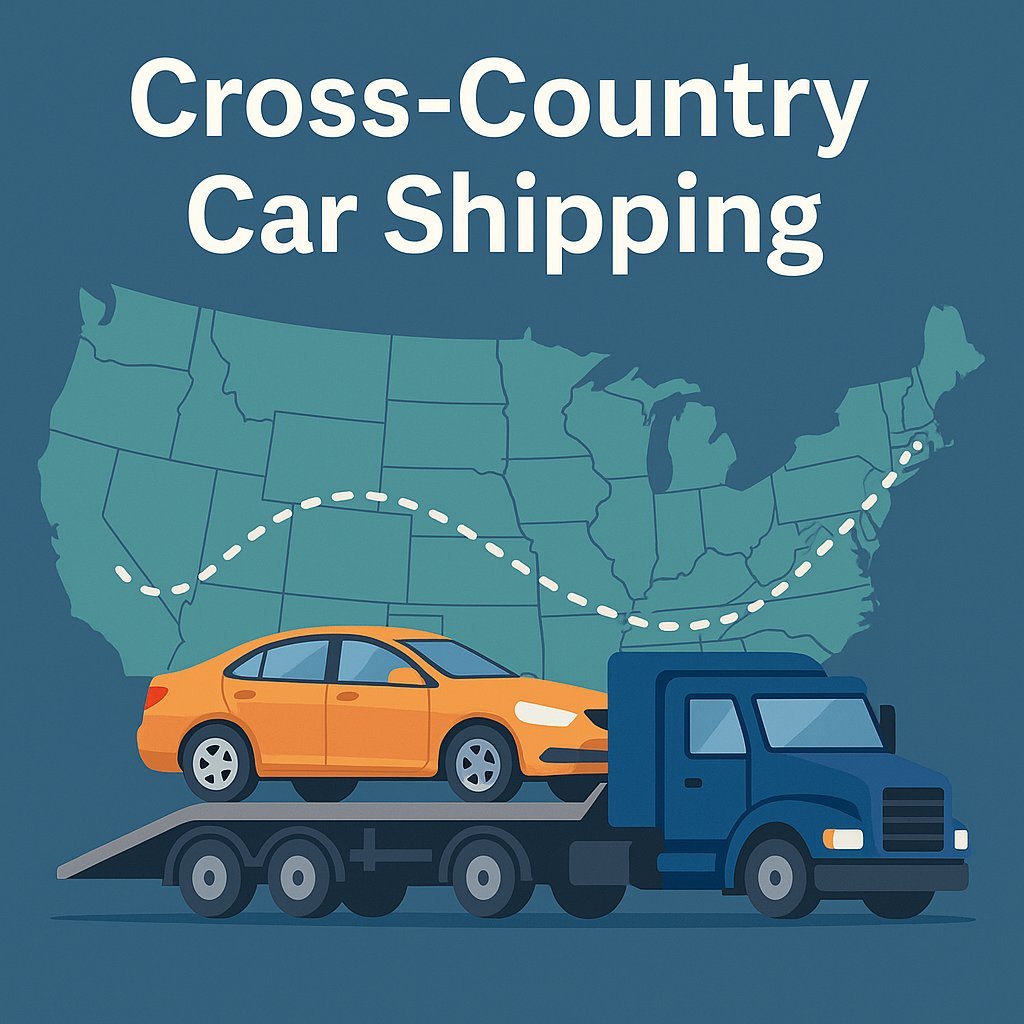
Anyone planning to ship a vehicle across state lines quickly realizes that not all services are the same. Two of the most common choices are door-to-door and terminal-to-terminal shipping. Both options have advantages, but they also come with tradeoffs that can matter depending on your situation. Having worked around drivers, dispatchers, and yards, I’ve seen how each method plays out in real life. This guide walks through the details so you can decide which makes sense for you.
Open transport vs enclosed transport
Before diving into door-to-door versus terminal service, it’s worth mentioning the difference between open and enclosed transport, since it often overlaps in decision-making. Open carriers are the long trailers you see most often on highways, carrying six to ten cars at once. They’re efficient, relatively affordable, and reliable for everyday vehicles. The downside is exposure to weather, dust, and the occasional rock chip. Most customers are fine with this because cars are built to withstand those elements anyway.
Enclosed carriers, on the other hand, shield vehicles completely. They usually haul fewer cars, sometimes just two or three, and they protect against rain, snow, and road debris. Owners of high-value, antique, or freshly restored vehicles often prefer enclosed transport for peace of mind. The tradeoff is cost – enclosed service can run 40 to 60 percent higher than open. If you’re balancing protection against budget, this is the first decision you’ll face before even choosing pickup and drop-off style.
Door-to-door vs terminal service
Door-to-door service is just what it sounds like: the carrier picks up the vehicle as close to your home (or chosen location) as possible and delivers it to the exact address on the other end. The convenience is obvious. You don’t have to drive anywhere, and your car arrives right where you need it. The catch is that large transport trucks can’t always access narrow streets, gated communities, or areas with strict restrictions. In those cases, you may meet the driver at a nearby parking lot or wider road. Still, it’s far easier than having to manage the drop-off yourself at a storage yard.
Terminal-to-terminal service requires you to bring your car to a designated facility, often near a major city or interstate. You drop the vehicle off at the terminal, and it stays there until it’s loaded onto a truck heading your way. At the other end, you’ll pick it up from a similar terminal. The advantage here is cost. Terminal service is usually cheaper than door-to-door, and it can be helpful if your schedule is flexible or if you’re moving between major hubs. The downside is that your car sits in storage until the carrier fills a load, which can add days to the timeline. For a look at how long trips usually take, check Delivery timelines.
Driveaway vs carrier service
There’s also another option people sometimes overlook: driveaway services. Instead of loading your vehicle onto a truck, a professional driver physically drives it to the destination. This might sound convenient, but it adds mileage and wear, and insurance coverage is handled differently. Driveaway can work for shorter trips, but for long moves most people prefer the security of a carrier.
Carrier service, whether open or enclosed, means your car is loaded, strapped down, and hauled without adding miles to the odometer. It’s safer, avoids wear and tear, and usually comes with stronger insurance coverage. The tradeoff is cost compared to simply paying someone to drive. For many, though, keeping the mileage low and knowing the car is protected outweighs the price difference.
Pros and cons of shipping methods – FAQ
Which option is faster, door-to-door or terminal-to-terminal?
Door-to-door is usually quicker because the vehicle goes straight from your location to the destination. Terminal service adds extra waiting time while cars sit at the yard until the load is full.
Which service is cheaper?
Terminal-to-terminal tends to cost less. Door-to-door includes the convenience of direct pickup and delivery, which adds to the price. To compare numbers across routes and methods, see Car shipping costs.
Is driveaway safe?
It can be, but it exposes your car to road risks for the entire trip and racks up mileage. Carrier transport avoids those issues by securing your car on a trailer.
Do carriers always reach my exact address for door-to-door?
Not always. If the streets are too narrow or restricted, you may need to meet the driver at a nearby spot. Still, it’s closer to true doorstep service than terminals.
Which is better for valuable cars?
Enclosed carrier service, paired with door-to-door, offers the most protection. Your car stays shielded from the elements and avoids unnecessary mileage.
At the end of the day, the best method depends on what matters most to you – cost, convenience, or maximum protection. Door-to-door with enclosed transport is the premium combination, while open carrier with terminal service is the most affordable. Somewhere in between lies the balance that fits most people’s needs.