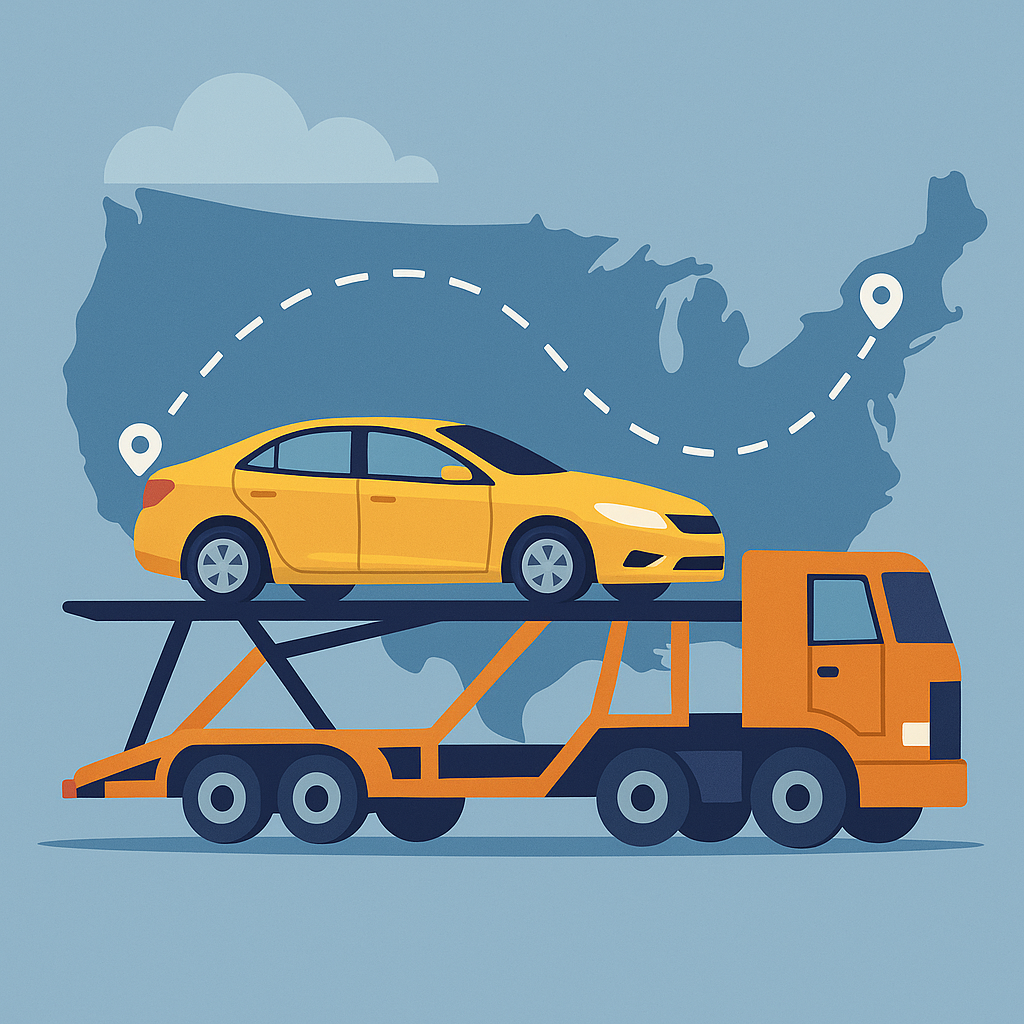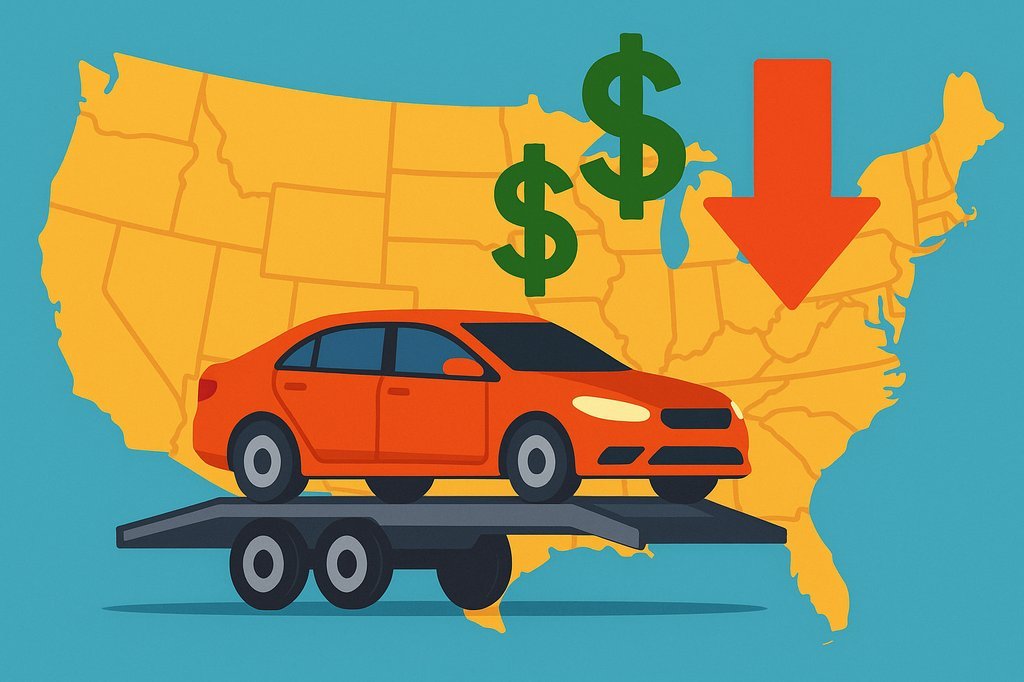
People planning a move often reach a point where they ask themselves: how much to ship a car to another state? The answer is rarely just a single number. Every car hauler will look at the distance, the trailer type, the size of the vehicle, and the timing of the job. A compact car shipped a few hundred miles in the off-season might cost just a few hundred dollars, while a large SUV on an enclosed trailer going coast to coast can run well above a thousand. The range is wide, but once you break it down, the logic is easier to follow. Knowing these basics also helps you spot a fair quote versus one that may cause trouble later.
Rates are often talked about per mile, yet the per-mile figure shrinks as the distance grows. A 400-mile job looks expensive per mile compared to a 1,500-mile run, because the driver’s time and fixed expenses spread out more on the long haul. There is no single chart that covers all cases, but the patterns repeat themselves daily in this business. For a good set of averages, you can review this breakdown: car shipping costs. With that in mind, you can decide what kind of trailer and service match your own budget.
Step-by-step car shipping guide
People get nervous about the process, but once you see it laid out, it stops feeling complicated. This sequence is how a typical state-to-state haul goes:
- Start with research. Look up licensed, insured carriers. Take the time to read recent reviews about communication and timeliness.
- Request quotes. Get them in writing, not just by phone. Compare open and enclosed trailers side by side.
- Pick your service type. Door-to-door saves time, but terminal shipping can be useful if your street is tight or your schedule is tricky.
- Book early. Lock in dates a couple of weeks ahead, especially in summer or right after the holidays when demand spikes.
- Prepare the car. Wash it, take photos, remove toll passes, and keep only a quarter tank of fuel.
- Meet the driver. Walk around the car together, compare notes, and sign the Bill of Lading once both sides agree.
- Stay reachable. Drivers call when they’re close. If they cannot reach you, schedules slip.
- Inspect on delivery. Check the car against your photos, confirm mileage, and only then sign off.
If you want a more detailed preparation checklist, you can review this step-by-step guide: how to ship a car. It covers the smaller details that save time on the actual pickup day.
During the interstate auto transport process, the carrier arrives within the pickup window. The car is loaded onto the trailer, positioned so the weight is balanced, and then strapped or chained at the wheels. A good driver checks these tie-downs again at each stop for fuel or rest. This is what keeps the load safe at highway speed. Nothing fancy, just steady checks and experience.
The second part of the interstate auto transport process is the delivery. The truck reaches the destination city and calls to arrange a meeting spot. Sometimes it’s right in front of the house, but often it’s a wide lot nearby where the truck can maneuver safely. Once the car is off the trailer, you walk around it again with the driver, compare against the original notes, and sign once both sides are satisfied. That last inspection protects everyone and closes the job on a clean note.
There are a handful of state-to-state moving tips that make life easier. Book early, since carriers fill up quickly when students return to school or when snowbirds head south. If you know your street has low branches or tight turns, send a quick video to the dispatcher so they can plan. Keep a backup contact ready in case your phone dies. These little bits of planning matter more than people expect.
Another group of state-to-state moving tips is about the car itself. Keep the fuel low but not empty. Check the battery, since a dead battery slows everyone down. Disable alarms, fold mirrors, and remove any racks that stick out. If your car has quirks—maybe the trunk only opens with the key, or the window sticks—tell the driver. Surprises cost time, and good drivers appreciate honest details up front. Preparation at home saves everyone frustration on the road.
So what does all this add up to in real money? A short run of a few hundred miles may total $400 to $700. A mid-range run of 1,000 miles may land in the $800 to $1,100 zone. A coast-to-coast trip can run from $1,000 up to $1,800 or more, depending on the vehicle size and trailer choice. Open trailers are cheaper and widely available. Enclosed trailers add 30 to 60 percent to the price, but they keep out rain, snow, and road debris. Each owner decides if the extra protection is worth the cost. That’s the balance every hauler talks about with customers.
Payment terms differ from company to company. Some require a small deposit up front, others take payment in full on delivery. Certified checks and cash are still common in this trade. A few larger carriers accept credit cards. Ask about this early, so there are no last-minute surprises. Money talk is best handled before the truck shows up at your curb.
FAQ: Common mistakes when shipping a car
Is the cheapest quote always the right one?
Not necessarily. The lowest price sometimes means weaker insurance, vague pickup windows, or unreliable dispatch. A steady, mid-range price from a carrier with a track record is usually safer.
Can I leave belongings inside the car?
It’s best not to. Most carriers won’t cover personal items, and loose bags can damage the interior. Keep the cabin empty.
What happens if I skip taking photos?
You lose proof of the car’s condition. Dated photos of each panel, wheels, and the roof protect you in case of disputes.
Do I need to be present at pickup and delivery?
Yes, or you need to authorize someone you trust. Both inspections require a signature, and it is risky to skip them.
How much fuel should be left?
A quarter tank is the sweet spot. It keeps weight down but still lets the driver move the car on and off the trailer easily.
What is the most common oversight?
Forgetting to disable the alarm. An alarm going off in transit drains the battery and annoys everyone. Turn it off before the car is loaded.
Can I hide mechanical issues from the driver?
That’s a mistake. If the brakes pull, if the starter sticks, or if the steering wheel locks oddly, say so. Drivers work better when they know what to expect.
So, how much to ship a car to another state? The cost moves with distance, service type, and timing. But the process itself is steady: research, book, prepare, inspect, and sign. With honest prep and realistic expectations, your car arrives safely, and the numbers on the invoice make sense. It doesn’t need to be complicated if you follow the steps and avoid the common mistakes others make.