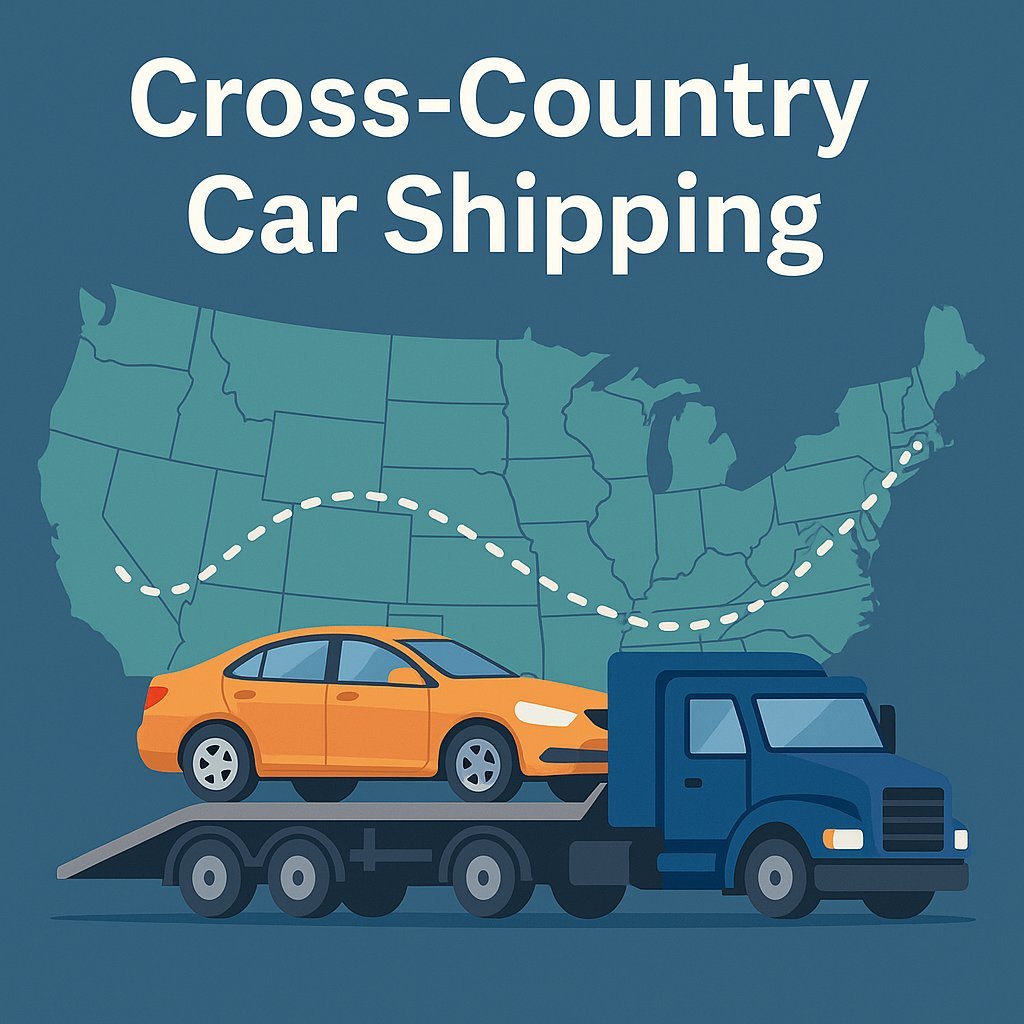
Anyone planning a move across states eventually faces the choice: should I just drive my own car, or hire a hauler? The decision isn’t always simple. Driving gives you control, but it adds miles, stress, and fuel costs. Professional shipping takes the steering wheel out of your hands, but it saves time and keeps wear off the car. Looking at car shipping vs driving side by side helps you decide what makes sense for your situation.
Driving might look cheaper at first glance, but once you factor in gas, food, hotels, and missed work, the numbers climb quickly. On top of that, long trips often push cars harder than daily use. A hauler charges a flat rate, and while that bill can feel large, it often balances out when compared to the hidden costs of a long road trip. If you want to see how pricing usually works for carriers, here’s a detailed breakdown: car shipping costs.
Open transport vs enclosed transport
Once you choose to ship, the next question is the type of trailer. Open transport is what most people see on highways—two levels of cars in the open air. It’s cheaper and widely available. The downside is exposure to weather, dust, and road debris. For everyday sedans and SUVs, open works well and keeps costs low.
Enclosed transport covers the car inside a trailer. It costs more, sometimes 30–60 percent higher, but it shields from weather and debris. This is the choice for classic cars, luxury vehicles, or motorcycles where protection matters more than price. If you’re comparing timelines for either method, you can review details here: delivery timelines.
The service type also plays a role in convenience. Door-to-door vs terminal service is a decision most customers face. Door-to-door means the truck comes as close as possible to your pickup and drop-off locations. It saves time but can be more expensive, since carriers adjust routes to reach residential areas. Terminal service means you bring the car to a designated yard and pick it up at another yard. It’s cheaper but requires extra planning on your side. For city apartments or neighborhoods with narrow streets, terminals can be the only workable option.
The other part of door-to-door vs terminal service is timing. Terminals may hold cars for days until the truck is full, which can delay delivery. Door-to-door is usually faster since the car goes straight onto the carrier’s planned route. For people juggling jobs, leases, or moving trucks, that difference matters. Paying extra for door-to-door often makes sense when timing is tight.
Some customers hear about driveaway vs carrier service and wonder if it’s an alternative. Driveaway means hiring someone to literally drive your car to the destination. It avoids loading trailers, but it adds thousands of miles and wears on the car. You also need to be comfortable with a stranger behind your wheel. It may be fine for older vehicles where mileage isn’t a concern, but for most owners, it feels like a risky choice.
By contrast, carrier service loads your car onto a trailer where it stays parked the entire trip. No extra miles, no wear on tires or brakes, and less risk of breakdowns along the way. Carrier service costs more than hiring a driveaway driver, but the protection it provides usually outweighs the savings. Especially when vehicles are newer, financed, or leased, adding thousands of road miles simply doesn’t make sense.
FAQ: Pros and cons of shipping methods
Is driving cheaper than shipping?
It looks cheaper up front, but once you count fuel, hotels, meals, and missed time, shipping often evens out or even saves money for longer trips.
When should I choose enclosed transport?
If your car is classic, high-value, or customized, enclosed is worth it. For regular cars, open trailers are safe and affordable.
Is door-to-door always available?
Not always. Large trucks can’t enter some neighborhoods. In that case, drivers meet customers in nearby lots or wide streets.
What’s the risk of using driveaway services?
Your car racks up miles and wear. Breakdowns, traffic tickets, or accidents during the trip also become risks you accept.
Which service is fastest?
Door-to-door shipping on a carrier is usually the quickest. Terminal service can add days, and driveaway depends entirely on the driver’s pace.
Does enclosed transport delay delivery?
Not necessarily, but fewer enclosed carriers exist, so scheduling can take longer. Always ask about timing before booking.
How do I decide between shipping and driving?
Think about distance, time, cost, and how much you value keeping miles off your car. For shorter moves, driving works. For long or cross-country relocations, shipping usually wins.
Choosing between car shipping vs driving is about balancing money, time, and peace of mind. Once you understand the differences between trailer types, service levels, and alternatives like driveaway, the right choice usually becomes clear. Shipping may feel like a big step, but for most long moves, it saves more than it costs.