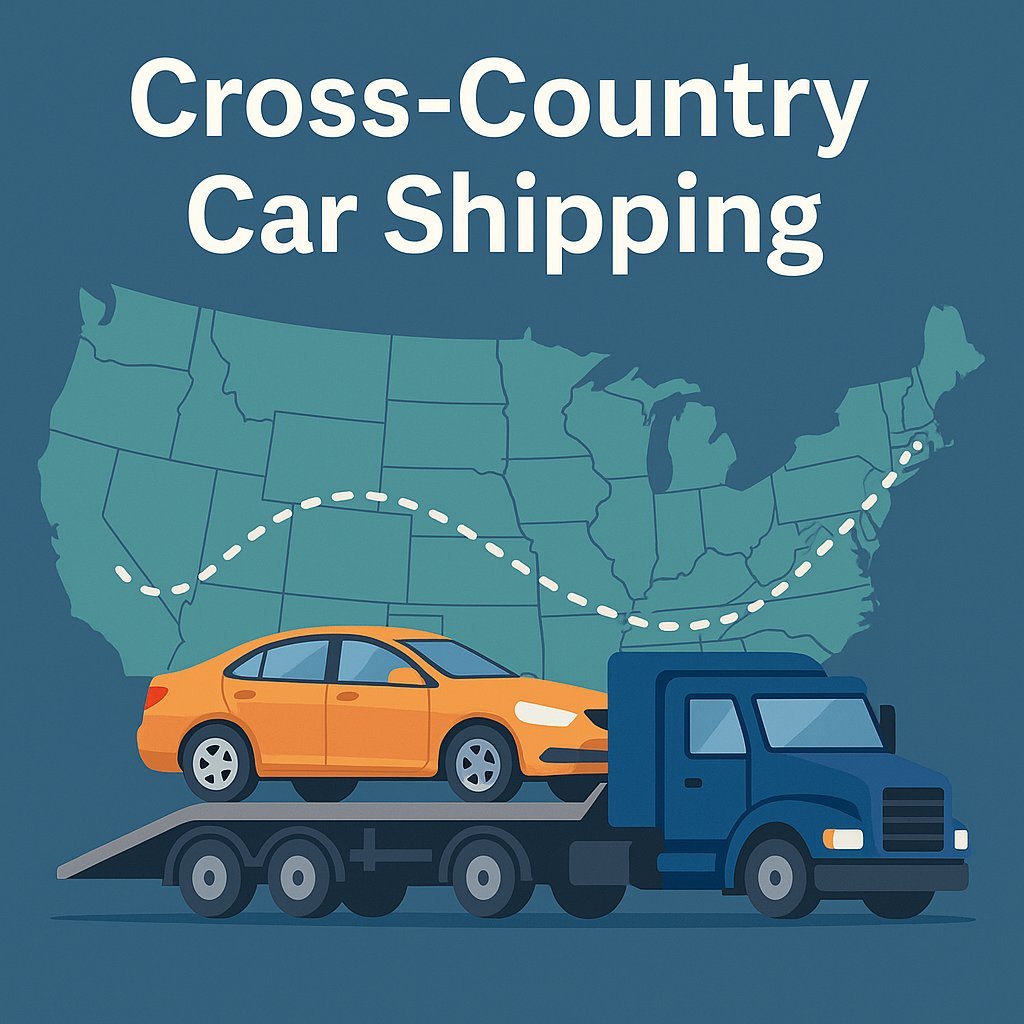
Moves do not always give you a friendly timeline. Sometimes a lease starts next week, a buyer wants the garage cleared, or a job needs you on site fast. That is where express car shipping comes in. With expedited auto transport, the pickup window tightens, the route gets priority, and your car rides sooner rather than later. It costs more than standard service, but for the right situation, the time saved is worth it. The key is knowing how expedited scheduling works, which trucks to ask for, and how to prep your car so the handoff takes minutes, not hours. If you want a price frame before you call anyone, this page lays out realistic ranges by distance and trailer style: car shipping costs.
Fast pickups use a few playbooks. Some haulers assign a dedicated spot on an open trailer running your corridor. Others send a two-car hotshot truck that can reach tight streets and leave quickly. Enclosed teams offer rush service for high-value vehicles with soft straps, lift gates, and fewer stops. All of these options move sooner than standard scheduling, and each has a different price point. If you are weighing open vs enclosed or need a refresher on service choices, this guide helps match protection level to your situation: vehicle transport options.
Step-by-step car shipping guide
Expedited timeline works best when you plan backward from the day you need the car. Here is a countdown model that fits most rush jobs.
T-7 days: Confirm licensing and insurance. Ask for an expedited pickup window in writing and a delivery range that aligns with your deadline. Decide on open or enclosed and lock that choice on the quote.
T-5 days: Share both addresses plus an alternate meeting spot with truck access. If your street is tight, pin a nearby lot with wide lanes.
T-3 days: Wash the car and take dated photos of all sides, roof, wheels, and interior. Remove toll tags and parking passes so they do not scan in transit.
T-2 days: Quarter tank of fuel, cabin and trunk empty, mirrors folded, alarm off, key labeled. Keep paperwork in one envelope.
Pickup day: Meet the driver, walk the car, note mileage, sign the Bill of Lading, and swap contact numbers in case the route shifts.
Delivery day: Meet at the agreed spot, repeat the walk-around with your photos in hand, confirm the notes match, then sign off.
The first paragraph of the interstate auto transport process for rush work starts with dispatch. Your job is flagged for priority and placed on a route that already fits your lane. On open equipment, that often means a reserved position on a multi-car trailer with minimal detours. On hotshot gear, the driver may take one or two vehicles total, which speeds loading and unloading. Enclosed teams sometimes dedicate a single-car slot when timelines are tight. In every case, the driver secures your car at approved points, checks tie-downs after the first few miles, and again at fuel stops.
The second paragraph of the interstate auto transport process is about the last mile. Rush work still lives in the real world. Big rigs avoid low branches, stacked curb parking, and tight cul-de-sacs. A nearby wide street or shopping center lot solves that in minutes, and it is the smartest way to keep the clock on track. At delivery, you and the driver walk the car, compare notes to the original Bill of Lading, confirm mileage, and write any difference before signing. Most expedited jobs close quickly because everyone arrived ready.
Now for a few state-to-state moving tips tailored to expedited schedules. First, give dispatch a workable window even if you need speed. A 24 to 48 hour pickup range keeps your job high on the board without boxing the truck into a corner. Share a second contact in case your phone dies. If your building has gates or limited loading zones, clear that access with management ahead of time. A three-minute call can save forty-five minutes of circling with a full trailer.
Another set of state-to-state moving tips focuses on access and staging. If you live in a dense area, choose off-peak hours for pickup. For rural addresses, send a pin plus a quick video showing the turn-in and where you plan to meet. Park nose out. Label the key you hand over. Have payment method ready and confirmed the day before. Small, boring details do the heavy lifting on expedited jobs because there is no slack in the schedule.
Cost wise, expedited service adds a premium for the priority slot, the tighter window, and sometimes a dedicated truck. Open rush on a popular lane is usually the most budget-friendly expedited option. Hotshot gear prices higher but reaches places big trailers cannot. Enclosed rush rides at the top of the scale and suits vehicles where protection matters more than dollars. If you are splitting hairs on budget, fast standard service with a 3 to 5 day pickup range can be a smart compromise when full express is not required.
Preparation protects timing. Keep fuel at a quarter tank, not more. Remove racks or antennas that extend past roof height. If the car has quirks, say so before pickup. A trunk that needs a key, a weak battery, or a window that sticks does not disqualify the car. It simply helps the driver place it properly on the trailer and plan for an easy unload. For a full walk-through from inquiry to handoff, this resource stays handy during a rush week: how to ship a car.
Communication is the quiet advantage on express runs. Drivers call when they are close. Keep your phone on and text a pin for the meeting spot. If a surprise pops up, like construction at your block, reply with the alternate location right away. Everyone on the route benefits when a handoff takes ten minutes instead of thirty, including the stops after you.
FAQ: mistakes to avoid when shipping a car
Is a guaranteed clock time realistic on an express job?
Not exactly. You can buy a tight pickup window, but hard clock times collide with weigh stations, inspections, and traffic. Plan a window and have an alternate meeting spot ready.
Does expedited mean enclosed by default?
No. Express is a speed promise, not a trailer type. You can run open or enclosed on a rush job. Pick based on vehicle needs and budget.
Can I leave personal items in the car to save time?
Skip it. Loose items shift and carriers do not cover them. An empty cabin and trunk speed loading and prevent disputes.
What if the vehicle is low, wide, or lifted?
Say so before booking. Low clearance may need a lift gate or extended ramps. Oversize may require specific positioning or a different trailer. Sharing those details keeps the job on time.
Is a last-minute address change a problem?
It is. Changing the handoff point near pickup or delivery can bump you off a tight schedule. If you must switch, give the alternate location early and choose a lot with easy access.
Do I really need photos if I am rushing?
Yes. Dated photos of panels, roof, wheels, and interior take five minutes and save headaches later. Take them right after the wash in good light.
How much fuel should I leave?
About a quarter tank. More adds weight. Nearly empty can slow loading if the driver needs to shuffle positions on the trailer.
Can I expect exact delivery day on coast-to-coast express?
You can expect priority, earlier placement, and faster transit than standard. On long lanes, weather and inspections still add variance. Keep a cushion in your planning.
Why did my quote jump when I asked for pickup tomorrow?
You requested priority equipment and a tight window. That pulls a truck off a different plan. The premium covers the change and the open slot reserved for you.
Where do I start if I need speed but not the top tier?
Ask for a fast standard option with a 3 to 5 day window and meet the truck at an easy access lot. Pair that with open service and you cut days without paying for a fully dedicated slot.
Express moves succeed when everyone keeps the plan simple. Choose the right trailer, set a tight but workable window, prep the vehicle, and meet the truck where it can turn. Do that, and expedited auto transport delivers what it promises: your car moved sooner, with less waiting around, while you keep your focus on the rest of the transition.