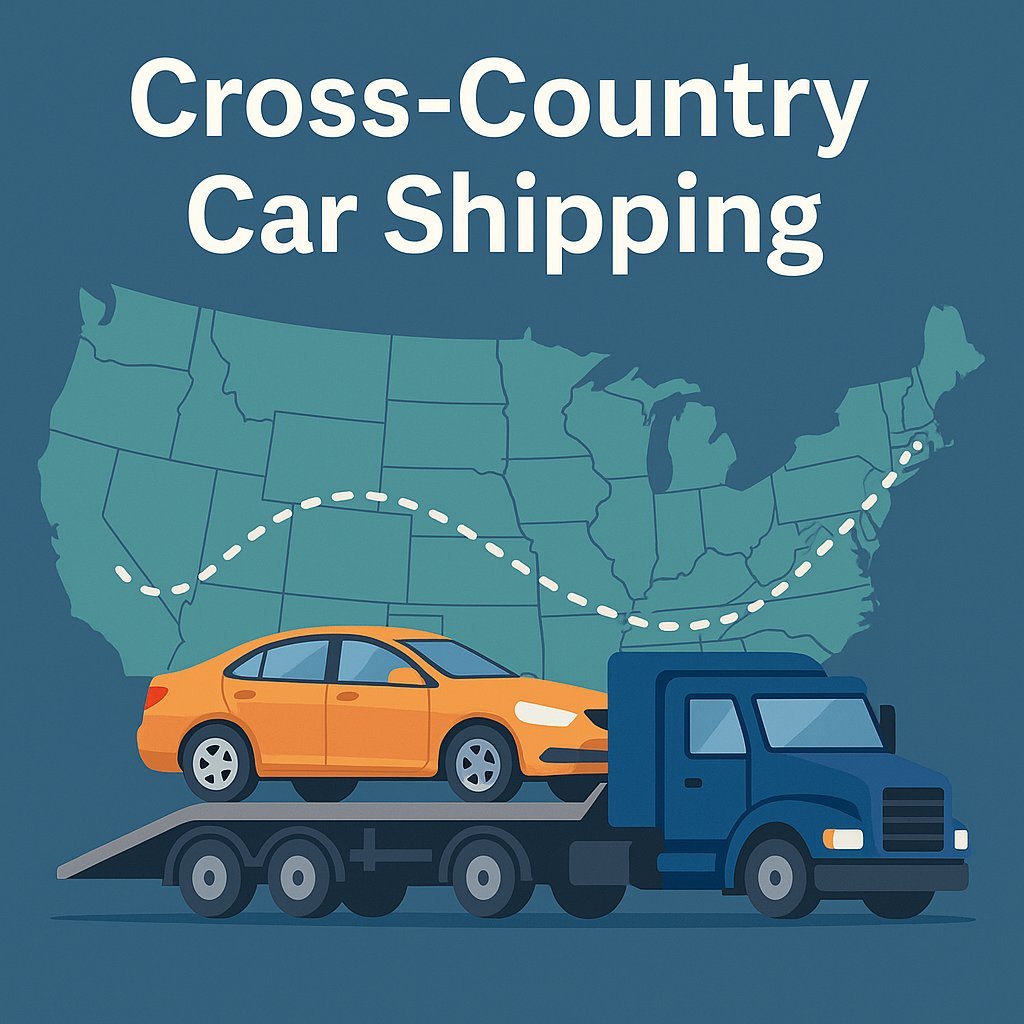
People ask me which setup keeps a move calm: door-to-door auto transport or terminal-to-terminal. Both can work. The first brings the truck to a practical meeting spot near your address. The second uses a storage yard where you drop off and later pick up. Pricing and timing shift with route, trailer choice, and how easy each location is for a long rig. If you want a quick money frame before you pick a path, match your route and service style here: car shipping costs. For pacing by distance, this is a handy reference while you plan: delivery timelines.
I move cars year round. When a plan is simple and everyone is prepared, both systems feel routine. Door-to-door usually saves time because there is one handoff. Terminals can help when dates are loose or when your street is a puzzle for heavy equipment. The rest of the decision comes down to protection level, access on both ends, and how much slack you have in your schedule.
Open transport vs enclosed transport
Open transport is the backbone of interstate work. Multi-car trailers roll on frequent lanes, which keeps placement quick and rates friendly. Most daily drivers ride open without trouble. You will see the car in the open air during transit, so plan on a rinse after delivery. If you want budget first and your vehicle is a standard sedan or SUV, this is usually the pick.
Enclosed transport protects paint and trim from weather and road grit. Interiors are padded, soft ties are used, and lift-gates appear when ground clearance is low. There are fewer enclosed units on the road and upkeep costs more, so rates sit higher and departure choices are fewer. Owners choose it for luxury models, classics, restorations, or anything with fresh paint. If condition matters more than shaving dollars, enclosed earns its keep.
Whether you go open or enclosed, door-to-door and terminals both apply. The trailer style changes protection, not the meeting pattern. Pick the protection first, then choose the handoff style that fits your addresses and your calendar.
Door-to-door vs terminal service
Door-to-door is simple in practice. The driver meets you at a workable spot near your address. That might be a wide side street, a shopping center lot, or a frontage road close to home. Tight cul-de-sacs, stacked curb parking, and low branches are tough for long rigs, so we plan around them. You and the driver walk the car, note mileage on the Bill of Lading, load, and you get on with your day. On arrival, you repeat the walk, match notes, and sign off. One meet, one closeout.
Terminal-to-terminal leans on storage yards. You drop the vehicle inside a check-in window, the car waits for a truck, rides to a destination yard, and you pick it up when your schedule allows. This can help if you are leaving town early or arriving late, or if your addresses are a headache for big equipment. The tradeoffs are extra handling, yard hours, and storage fees if the schedule slips. For many customers, those extras erase any small savings, so I use terminals only when the calendar demands it.
Driveaway vs carrier service
Driveaway puts a screened driver behind your wheel. It can solve an odd route or a tight deadline and it is literal curb to curb when parking rules allow it. You will see miles added and you should expect written terms on fuel, lodging, and route choice along with proof of coverage during the trip. I see owners pick driveaway for older vehicles or when exact curb placement matters more than limiting mileage.
Carrier service moves the car as cargo. Your odometer barely changes. The driver positions the vehicle on the deck for weight balance and clearance, sets wheel straps or chains at approved points, and reinspects tie-downs after the first few miles and again at fuel stops. Door-to-door or terminal timing depends on addresses and access, not on whether the car is rolling on its own. For protection and resale value, carrier service wins most comparisons.
There is no single winner. If you want minimal miles and predictable paperwork, pick a carrier. If you need a fast solve and accept added miles, driveaway can be a tool. Both can meet you at a door or coordinate with a yard, though driveaway rarely needs a terminal.
Planning, timing, and access
Lead time helps both models. Two to three weeks fits most lanes. A week can still work, though placement options shrink. A flexible pickup window lets dispatch slot your car on a route that already exists, which steadies rates and reduces delays. Hard dates, after-hours meets, and late address changes pull in the opposite direction. If your home sits far off a major corridor, meeting at a lot near a highway exit trims detours and keeps the clock on your side. For timing expectations by distance, keep this page open while you set windows: delivery timelines.
Preparation matters more than gadgets. Quick wash for photos, a quarter tank of fuel, mirrors folded, racks removed if they extend above roof height, and an empty cabin and trunk. Disable alarms. If the trunk needs a key or a window sticks, say so at booking so the driver can place the car right and avoid shuffling later. Label the key. Those tiny habits shave minutes at pickup and delivery and reduce the chance of noise on the paperwork.
Money talk
Rates follow space, weight, distance, protection level, and time spent off lane. Door-to-door often prices in line with terminals because storage and extra yard staff offset any savings. Enclosed adds a premium for the equipment and the smaller pool of trucks. Flexible windows help because a driver can fill the trailer in sequence instead of hunting for a slot across town. If you want a grounded baseline before you lock dates, skim this explainer and map it to your route: car shipping costs.
Who should pick door-to-door. Anyone who values one clean handoff, who can meet at a workable spot near home or work, and who wants fewer variables. Families juggling keys, movers, and school calendars almost always prefer it.
Who should pick terminals. Folks with loose calendars who plan to leave town before a truck can arrive, or who cannot meet during yard hours at the destination. Also helpful when a building, HOA, or base access rule blocks trucks from getting close and you do not want to meet off site.
FAQ: pros and cons of shipping methods
Is door-to-door faster than terminal-to-terminal
Usually, yes. One meet saves time. Terminals add check-in, yard handling, and fixed hours. If you can meet at a wide street or lot near your address, door-to-door tends to finish sooner.
Do terminals lower price
Not reliably. Yard staff and storage fees add up. Terminals help when your calendar is loose or you need to drop the car before you travel. If the goal is a lean invoice, a single meet often does better.
Open or enclosed for a city pickup
Either can work. Open places faster because there are more units in circulation. Enclosed protects paint and trim better. If your block is tight, meet on a broader road or a shopping center lot. Access matters more than city versus suburb.
Can driveaway beat a truck on timing
Sometimes. One driver and a set of keys can move quickly, especially on short notice. You accept extra miles and road exposure. For high value cars or fresh paint, a carrier is the safer call even if it takes a bit longer to arrange.
What documents matter at pickup
Your ID, registration if requested, the written quote, and the Bill of Lading once the walk-around is done. Take dated photos of each panel, roof, wheels, and interior after a quick wash. Those images anchor the record.
How do I keep the schedule from slipping
Offer a workable pickup window, keep your phone on, and choose a meeting spot with room to turn. If your street has low branches or stacked parking, send a map pin for a nearby lot. Five minutes of planning saves half an hour of circling.
Is a terminal safer for the car
Not automatically. The car is handled more times at a yard. Door-to-door limits moves to loading and unloading. Enclosed transport lowers exposure regardless of door or terminal.
Can I leave items inside the car
I would skip it. Many carriers decline items in the cabin and trunk. Loose objects shift and are not covered under cargo policies. A cable or floor mats are fine. Boxes and tools invite delays.
Does a guaranteed hour exist for pickup
Windows are realistic. Hard minutes collide with inspections, traffic, and weather. If a specific time matters, ask for a tighter window and keep an alternate meeting spot ready.
What if my address is off corridor
Meet near a highway exit or a wide road. Less time off lane often helps both timing and price. This small change can do more for your quote than chasing another email.
When is terminal-to-terminal the smarter move
When you cannot meet a truck, when your travel dates leave gaps, or when a site rule blocks access and you prefer not to meet off site. Just watch yard hours and daily storage so your car is not waiting longer than planned.
How do I choose between driveaway and carrier service
Write your priority in one line. If you want minimal miles and stronger protection, book a carrier. If speed and curb placement matter more than mileage, driveaway can work. Match that choice to your budget and your dates.
Where do I check timeframes and dollars before I book
Use these two quick references: ranges by distance here delivery timelines and pricing levers here car shipping costs.
Pick protection first, then choose how you want to meet the truck. If access near your address is reasonable, door-to-door auto transport keeps the day short. If your dates float or your block is a tight fit, terminal-to-terminal can help, as long as yard hours and storage fees stay aligned with your plan. Keep the prep tidy, choose a workable window, and meet where the equipment fits. Do those pieces and the rest feels like routine highway time instead of a drawn-out errand.