Dorm keys, lease dates, finals, and a car that still needs a plan. It stacks up fast. If you are a student heading across state lines, car shipping can take one big chore off your plate. The trick is to keep the plan practical: pick the right trailer, give a workable pickup window, and meet the truck where it can turn without drama. If you want a money baseline before you pick dates, match your lane and service style here: car shipping costs. For a full walkthrough you can keep open while you schedule classes and housing, this step-by-step stays handy: preparation checklist.
Two choices set the tone early. Open transport runs on more lanes and keeps invoices friendlier. Enclosed transport shields paint and trim and costs more, which makes sense for high-value cars or fresh paint. Most students pick open. From there, timing and access carry most of the weight. If you can give dispatch a flexible window and meet at a wide lot near campus or a highway exit, your car lands on a truck faster and the handoff is calm.
Student car shipping tips
- Lock dates before rush. Late summer and early fall are busy around move-in. Two to three weeks of lead time is a sweet spot. One week can still work, though choices shrink.
- Pick a realistic meeting spot. Long rigs dislike tight dorm loops and stacked street parking. A campus perimeter road or nearby shopping center lot keeps everyone’s day on pace.
- Photograph the car after a quick wash. Panels, roof, wheels, glass, interior, plus a close shot of the odometer. These images back up the Bill of Lading in minutes at delivery.
- Travel light inside the cabin. Most carriers decline boxes or bags in the car. Floor mats and a charging cable are fine. Everything else goes with you or ships another way.
- Share a second contact. A roommate or parent who can meet the driver if you are stuck in orientation or on a flight saves the schedule and your sanity.
- Know your building rules. If your dorm has loading windows or gate access, send a map pin and instructions to dispatch at booking, not at the last minute.
- Have the funds lined up. Card, cash on delivery, or split deposit and balance – get it in writing so the handoff is quick when the truck rolls in.
Military PCS car transport
Some students are in ROTC, Reserve units, or have family riding a PCS calendar. Routes and deadlines get tighter there, but the basics hold. Choose open or enclosed, put dates on paper, and plan a meet outside any gate with limited access. A lot near the fence line usually beats trying to thread a long trailer through restricted turns. If your schedule is fixed by orders, say so up front so dispatch can place your car on a run that actually makes the window.
Paperwork stays simple. Photos after a quick wash, your ID, and the Bill of Lading at pickup and delivery. If base access is involved, confirm visitor procedures ahead of time. Many families coordinate one meet off base to keep things smooth. Flexibility of a day or two helps pricing and timing, but if you do not have that luxury, ask about tighter pickup ranges. They exist, they just cost more because routes bend around your clock.
Snowbird car shipping advice
Students with parents or grandparents who follow the sun often need a car moved to the winter address. Those lanes get busy during fall and spring. The car can still ride open on a reasonable rate if the pickup window is flexible and the meet is near a corridor. If the family’s street has low branches or strict parking rules, plan a lot near a highway exit for both ends of the run.
Weather matters on these routes. A simple coat of wax before pickup helps winter grime rinse off at delivery. If the driveway at the destination ices over, meet at a nearby lot instead of forcing a long rig up a slick grade. Drivers appreciate clear notes about HOA hours or gate codes, and it keeps the rest of the day from unraveling. Little things, steady payoff.
Open transport vs enclosed transport
Open trailers. The workhorse for student moves. Frequent departures, broad coverage, and friendlier pricing. The car rides in the open air, so a rinse at delivery is normal. For daily drivers and campus parking, this is usually the fit.
Enclosed trailers. The protective choice. Padded interiors, soft ties, and lift gates when ground clearance is low. Fewer units on the road means fewer departure choices and a higher rate. Worth it for fresh paint, rare trim, or cars that need extra care.
Door-to-door vs terminal service
Door-to-door in the real world means meeting at a place the truck can safely reach. That could be a wide side street near your dorm, a campus lot with space, or a shopping center near the exit you use. One meet, one handoff, no yard fees. Most students prefer this because it keeps the day short and predictable.
Terminal-to-terminal uses storage yards. You drop off, the car waits for a truck, rides to the destination yard, and you pick it up when your schedule allows. It can help if you leave town early or arrive late. The tradeoff is extra handling and storage fees if dates slip. For student calendars, one clean door meet usually wins.
Driveaway vs carrier service
Driveaway puts a screened driver behind your wheel and adds miles to the odometer. It can solve a deadline or reach a curb a long trailer would avoid. Insurance terms need to be exact. For older cars or short runs it can be fine, but for most student moves, the added wear does not make much sense.
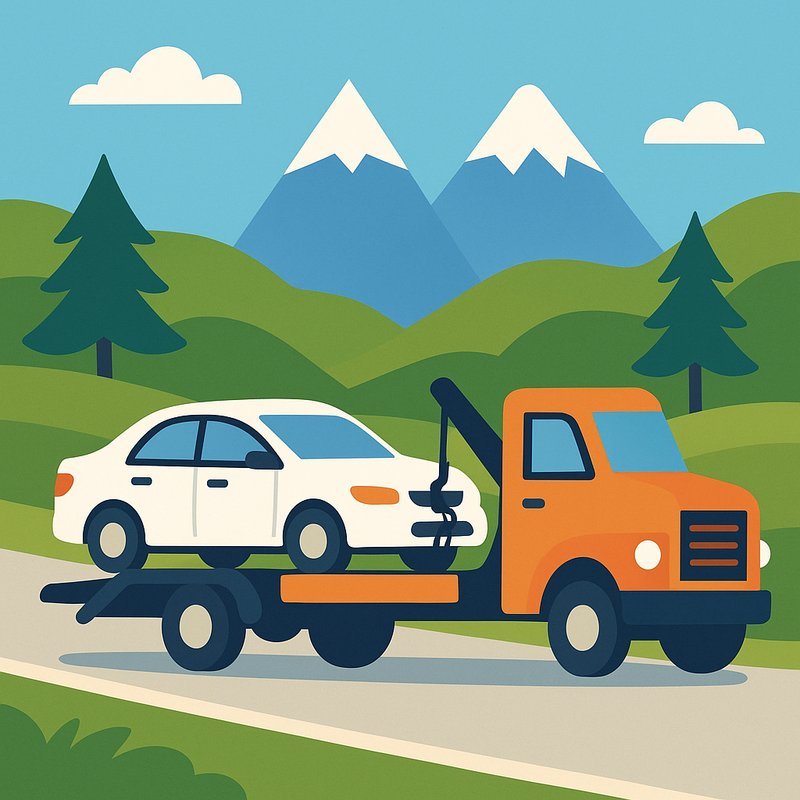
Carrier service moves the car as cargo on a trailer. Your odometer barely moves. The driver balances weight across the deck and secures the car at approved points. Tie-downs get checked after the first few miles and again at fuel stops. It fits daily drivers and tighter budgets, and it handles delicate cars when you pick enclosed.
Practical prep that saves time
- Fuel level. About a quarter tank for gas cars. Enough to load and unload, not enough to weigh the run down. EVs sit best near mid charge with a healthy 12V battery.
- Accessories off. Roof racks, cargo pods, bike mounts, and detachable spoilers change height and tie-down angles. Pull them and bag the hardware.
- Alarms off. Tilt, motion, and glass sensors chirp on trailers. Disable before pickup and re-enable at delivery.
- One labeled key or fob. Keep your papers and photos with you, not in the glove box.
Money and timing travel together. Flexible windows let dispatch place your vehicle on a run already in motion, which steadies both schedule and price. Hard clock times and late address changes push the other way. To see how distance and service type nudge the number on your route, start with this plain explainer: car shipping costs. For a prep refresher while you pack, keep this close: preparation checklist.
FAQ: Audience-specific discounts
Do students get lower rates
Sometimes. A wider pickup window and easy access do more for price than a label, but some teams run seasonal student promos near move-in and move-out. Ask at booking and compare what is actually on paper.
Any help for military families tied to student schedules
Plenty of carriers work with PCS timelines. Discounts exist here and there, yet the bigger win is a realistic window that lines up with orders and housing. A meet outside a gate also keeps the day smooth.
Do snowbirds ever see seasonal deals
On north-south lanes, yes, but the calendar cuts both ways. High demand weeks can raise rates. Booking earlier and meeting near a highway exit usually beats chasing codes.
What about groups or roommates shipping together
If cars share a similar route and window, dispatch may place them on the same run. It is not a formal discount, yet it can help timing and sometimes the invoice.
Where should I focus first if my budget is tight
Open transport, a 3 to 5 day pickup window, and a simple meeting spot. Those three choices usually beat any small promo code. Confirm terms in writing and keep your photos handy.
Does paying in full up front lower the bill
Rarely. Most jobs split deposit and balance or take payment at delivery. Read terms, avoid surprise fees, and keep the schedule flexible. That is where the savings live.
Handled with a clear routine, car shipping for students stops feeling like a side quest. Pick open or enclosed, set a window that fits your calendar, stage a meeting spot a truck can reach, and prep the car so loading is quick. Do that and the miles in between turn into quiet highway time while you settle into your new place.