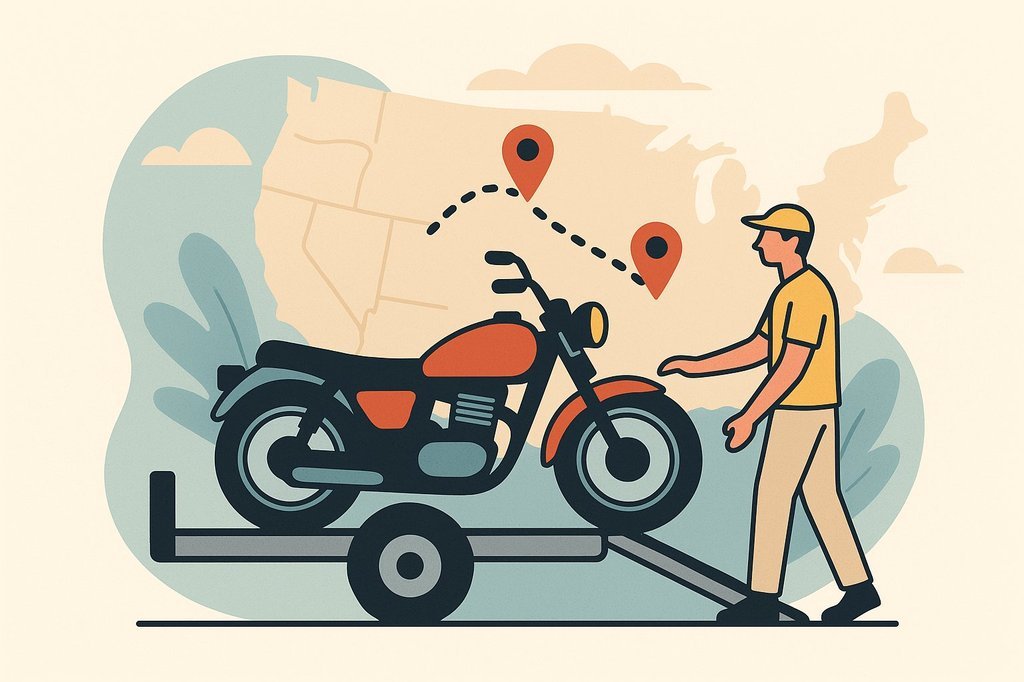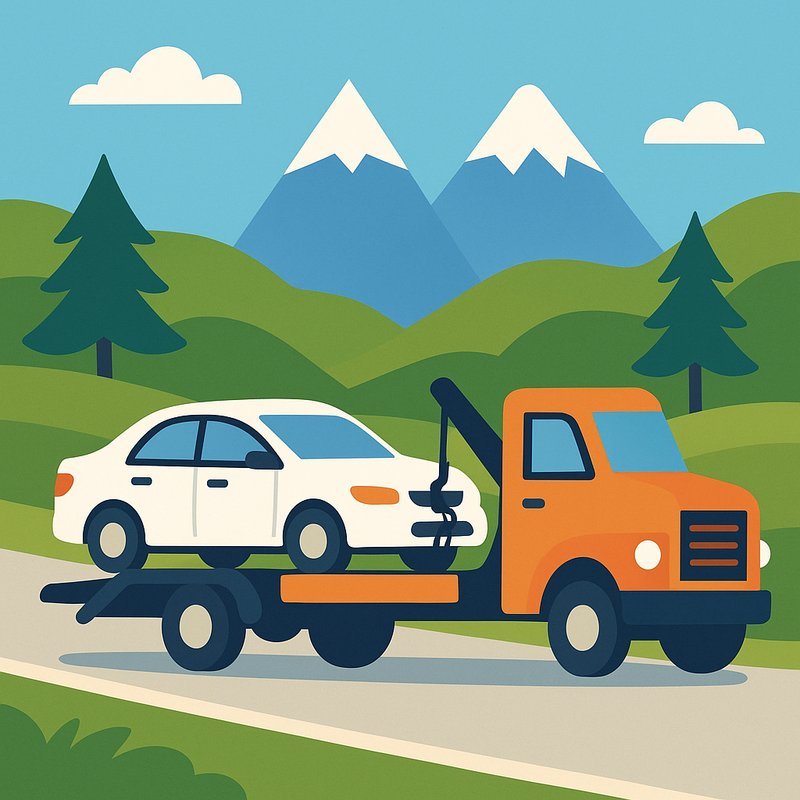
Moving power sports gear and watercraft across state lines takes a slightly different mindset than moving a regular sedan. A quad has wide tires and a low stance that demand the right tie-down angles. A fishing boat might ride on its own trailer and needs bow and stern support that will not loosen after 500 miles of vibration. I have hauled all of it over the years, in heat and in freezing wind, and I still treat each unit like it has its own personality. A careful plan keeps loading calm, delivery predictable, and your weekend plans intact.
Let’s start with the basics. ATV shipping usually travels on open carriers, from single flatbeds to multi-vehicle decks. The hauler brings soft loops, axle straps, and wheel nets sized for low ground clearance. Weight distribution matters on quads and side-by-sides because a small shift at highway speed can echo through the whole trailer. Boats are a different animal. Boat transport often means the craft stays on its trailer, then the trailer is secured to the carrier with heavy-rated chains or wheel straps. The tongue needs a solid pin, safety chains, and a secondary strap. If the hull rides on bunks, I like to check that each bunk is tight and dry before we move. For personal watercraft, a double PWC trailer can be a time saver, but the tie-down points still need attention at the mast and the rear eyes.
Costs depend on distance, size, route popularity, and trailer type. If you want to get a feel for numbers before picking dates, this page lays out real-world pricing logic that owners recognize from experience: Car shipping costs. The route calculator there helps families compare open and enclosed options and decide whether to pair an ATV with a boat or ship them on separate runs.
On scheduling, seasonal traffic pushes certain lanes higher. Spring brings a rush toward lakes and trails. Late fall sends a wave of southbound snowbirds with cars and golf carts. If your dates are flexible by a day or two, dispatch can usually slide your unit onto a truck already committed to that corridor, which keeps the quote grounded. If your boat is taller than average because of a T-top or a wake tower, tell dispatch at the start. Height and width drive equipment choices and, at times, require a different deck position.
Step-by-step car shipping guide
I realize this heading says car shipping. The steps below are the same ones I use for cars, quads, side-by-sides, PWCs, and trailer boats. The tools change a little, the discipline does not.
- Confirm paperwork and identification. Registration, title or lien letter, trailer plate if the boat rides on its own trailer, and photo ID for the handoff. If a marina or storage yard releases the boat, ask for their gate rules in writing.
- Measure height, width, and overall length. Add the trailer tongue for boats. List any towers, biminis, or rails. Fold or remove what can fold or come off. A few inches saved up top can open better route options.
- Service the trailer. For boat trailers, check tire age, pressure, and bearings. Test lights with a simple plug tester. I carry spares, but a healthy trailer makes the day go faster and protects the hull.
- Prep the unit. Remove loose gear from ATVs. Secure coolers, tool bags, and gas cans somewhere else. On boats, stow electronics, unplug the trolling motor, and latch compartments. Drain water from the livewell and bilge. Fuel level should sit low enough to keep weight down while still allowing short moves on and off the rig.
- Photograph everything. Take time-stamped shots of each side, the bow and stern, the transom, the prop, the tower or rails, the console, and the trailer winch area. Do the same for quads: nose, tail, both sides, dash, and seat.
- Pick the meeting spot. Boats on trailers turn wide. Quads can load in tighter spaces, but a big carrier still needs room. A wide street, lot, or marina overflow area works well. If a neighborhood gate is tight, meet just outside.
- Walk the inspection with the driver. Match your photos with the driver’s notes on the Bill of Lading. Confirm winch strap condition on a boat trailer and verify that tie-down eyes are intact.
- Stay reachable. Keep the phone on for route updates. If someone else will receive the unit, give their number to dispatch and hand them your photo set.
- Inspect on arrival. Repeat the photo routine at delivery and compare with the pickup set. Note any variance on the Bill of Lading before signatures.
- File receipts and copies. If a marina, club, or HOA needs documentation, save a PDF of the paperwork the same day.
Interstate auto transport process starts with routing and equipment matching. Dispatch looks at size and weight, then pairs your unit with a trailer type that fits. An ATV often rides on the upper or lower deck with other vehicles. A boat on its own trailer may travel on a flatbed or a multi-level carrier, depending on height and tongue length. On pickup, the driver photographs the unit with you, records condition on the Bill of Lading, and sets securement in a pattern that balances tension without crushing tires or stressing gelcoat. During the run, tie points get checked at fuel stops, and drivers call ahead when weather or traffic nibbles at the window.
Delivery is the second half of the interstate auto transport process. The driver picks a spot that allows a clean unload. For quads, ramps or a liftgate keep angles safe. For boats, the unload spot needs room to roll the trailer straight. If the destination is a marina with tight hours, plan to arrive during the gate window. The same walk-around happens at the end as at the start. Photos settle nearly every question on the spot and protect both sides. Good runs feel boring in the best way: no drama, just a clean handoff and a wave.
State-to-state moving tips for ATVs and boats start with the small things that steal time. Label the key before the driver arrives. If your boat battery uses a cut-off switch, set it to off. Trim the motor up just enough to avoid scraping during steep angles, then secure the tilt lock. Remove a canvas cover that flaps at highway speed. On ATVs, fold mirrors, set the parking brake if equipped, and click the transmission into park or first gear as the driver requests. These steps keep loading short and the deck tidy for the whole route.
Another set of state-to-state moving tips deals with people and places. Storage yards, marinas, HOAs, and campus security all run on schedules. Send gate codes and contact names to dispatch the day before. If a guard shack requires a visitor list, add the driver. If a condo corridor does not allow long rigs, pick a nearby lot as the fallback. Share a second phone number in case yours dies mid-travel. The trips that feel almost too smooth usually had this level of coordination quietly baked in.
Plenty of families ask whether to combine units on one run or split them. If a car and an ATV fit the same route and timing, a combined load can be simpler. If a boat’s height complicates deck placement or restricts certain highways, sending it on a matched flatbed while the car rides a standard carrier can actually land sooner and cost less than forcing both onto the same truck. Each situation is a small puzzle. A short call with dispatch about measurements, towers, and tongue length answers it faster than guesswork.
Preparation help for cars overlaps a lot with power sports and watercraft. This walk-through covers cleaning, photos, alarms, toll tags, and delivery day timing: How to ship a car. If you are pairing a car with a quad or a boat, that list keeps the whole move aligned.
FAQ: Common mistakes when shipping a car
Packing gear in the boat or ATV
Loose rods, tackle boxes, coolers, or spare gas cans bounce and scuff finishes. Pack them separately. Carriers focus on the vehicle, not the contents, and loose items create arguments that no one enjoys.
Guessing the height
Wake towers, T-tops, light bars, and roof racks change the math. Measure nose to stern and ground to peak. Share that number at booking so the equipment match is correct the first time.
Skipping trailer checks
Dry-rotted tires or a rusty winch strap can spoil a run. A quick pressure check, a look at tread, and a spin of the hubs go a long way. If the trailer looks questionable, say so. The driver can bring extra gear or switch to a flatbed plan.
Letting a boat cover flap
Loose canvas acts like a sandblaster at speed. If you want a cover, shrink wrap done right works better. Otherwise, leave the hull uncovered and let the driver pad contact points where needed.
Forgetting gate logistics
Marinas and storage yards work on specific hours. If the truck reaches a closed gate, everyone waits. Share gate codes, dock numbers, and the right entrance. A screenshot of the map helps more than a long paragraph.
Not photographing before pickup
Dated photos of each panel, the prop, the keel, and the trailer winch area keep delivery conversations tidy. The same goes for quads: fenders, wheels, seat, and dash.
Hiding mechanical issues
A soft tire, a winch that slips, or a dead battery slows loading and can cause damage. Say what needs attention. Drivers bring tools and plan deck position around quirks all the time.
Chasing the absolute lowest quote
A number that looks too good often locks you into odd timing or partial information. Aim for a fair rate from a company that answers the phone and gives clear paperwork. Then hold them to it.
Shipping a car, an ATV, or a boat across state lines should feel like a routine handoff, not a gamble. The pattern that works is plain: accurate measurements, a meeting spot that fits big equipment, steady photos at both ends, and a phone number that stays on. Pick dates, set expectations, and let the driver do the driving. For pricing basics by lane and equipment, start here: Car shipping costs. For a prep checklist that keeps little details from tripping you up, this page is straightforward and easy to follow: How to ship a car.