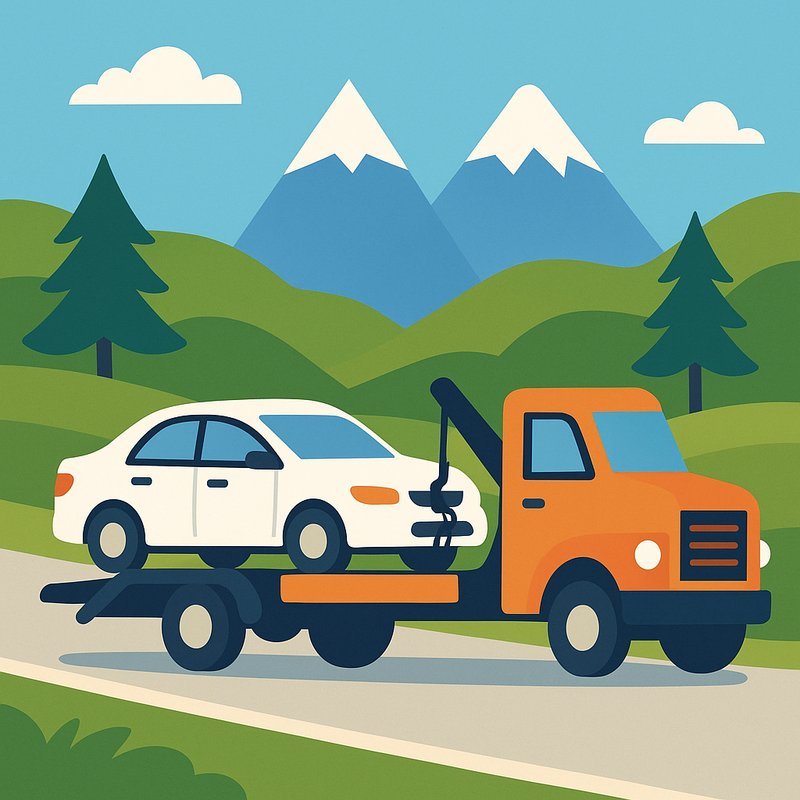
Moving a high-value car is different. A long hood with soft paint, carbon lips that sit inches from the asphalt, ceramic brakes that hate clamp pressure, door seals that mark if a strap rubs the wrong way. I have hauled these cars for years, from quiet collections to weekend toys, and I still slow down at every stage. The gear matters, but the routine matters more. Right ramps. Right strap angles. Calm hands. If you are comparing equipment before you pick dates, this side-by-side overview helps sort choices fast: Open vs enclosed transport.
On price, distance and lane demand do most of the heavy lifting. Trailer style, timing, and vehicle dimensions add their share. If you want a number that makes sense before you lock a pickup window, start here and you will see the moving parts laid out plainly: Car shipping costs. I think it helps to look at that first, then match the choice of open or enclosed to your comfort level.
For exotics and luxury sedans, enclosed tends to win. Soft straps on the tires. Liftgates to flatten angles. Padding at every touch point. Some owners ask for single-car enclosed to keep the day quiet, others pair two vehicles in a small enclosed rig. Open can still be fine for sturdy daily drivers wearing factory ride height and standard wheels. The car tells us what it wants, and the route confirms what is practical for your dates.
Access at the curb is half the job. Condo towers, tight cul-de-sacs, and hotel loops pinch long trucks. A wide street or nearby lot keeps tempers down and paint safe. Drop a pin and have it ready. Label the key. Hold fuel near a quarter tank. Photograph panels, roof, wheels, interior, and odometer. None of that is glamorous. All of it pays for itself the moment the truck arrives.
Shipping motorcycles / ATVs / boats / SUVs / trucks
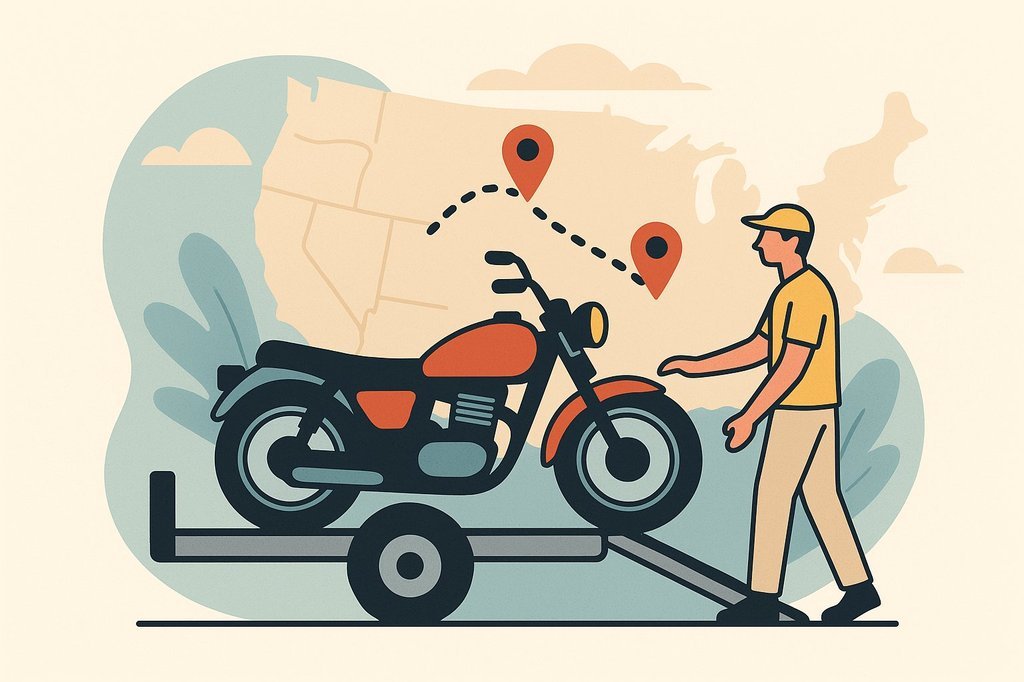
Plenty of collections are mixed. One supercar, one grand tourer, and a garage neighbor that happens to be an SUV, a pickup, a motorcycle, or an ATV. Mixed loads work well when each unit gets its own plan. Bikes sit in wheel chocks with soft ties up front and a steady pull at the rear. ATVs ride low with wheel nets and axle straps so they do not hop. Small boats usually stay on their trailers, then the trailer locks down at the tongue and near the axle points. SUVs and pickups take slots that balance axle weight across the deck. Every tie is checked, tugged, and checked again after the first few miles.
If a storage yard, marina, or guarded garage is part of the trip, send gate hours and a name that will answer the phone. If a campus or tower is the destination, meet at the edge on a street a long rig can reach. Small bits of coordination like that save an hour at the curb and keep a schedule intact.
Large vehicle transport services are about more than raw size. Height fights with bridges and low wires. Width fights with fenders and mirror caps. A dually pickup wants a slot that keeps rear wheels away from rails. A lifted SUV wants extra ramp sections so approach angles stay friendly. Tell dispatch about racks, roof boxes, mud-terrain tires, or a long wheelbase. Those details decide where the unit sits on the deck.
On price, large vehicle transport services reflect the slot they need. Oversize height or width can push a different position, sometimes even a different trailer type. A winch fee appears if a unit does not start. A top-position request adds a small premium. Nothing mysterious there. Ask for the lines in writing and file them with your photo set so the number on your quote matches the day you pay.
Exotic and luxury car shipping focuses on control. The driver pads any contact point, keeps straps off paint and brake hardware, and watches clearance on lips, diffusers, and undertrays. Ramps meet liftgates to flatten the angle so a long nose does not scrape. Tire straps get a steady pull, then a second check after the first fuel stop. If a model has transport or valet modes, we use them. If it has air suspension, we set a height that works with ramps without making the car look slammed for a photo shoot.
There is also privacy. Exotic and luxury car shipping in an enclosed rig draws fewer eyes and fewer phones. That matters in busy areas where a crowd forms in minutes. It also helps with weather and road grit during long legs. If the finish was just corrected, or the wheels wear soft clear, enclosed starts to feel less like a splurge and more like common sense.
Before we head to questions, a quick routine that keeps days smooth. Empty the cabin. Pull toll tags and parking passes. Fold mirrors if the model allows it. If the car is low or carries a long splitter, say so up front so the driver brings extra ramp sections or chooses a lower slot on the deck. Two contact numbers beat one. Your phone can die. Someone else can still meet the truck and sign the paperwork.
FAQ: Special considerations for vehicle types
How do you handle low-clearance supercars?
Liftgates plus long ramp sections to soften angles. Tire straps only, with padding anywhere a strap could graze a lip or diffuser. The driver creeps, listens, and keeps a spotter on the ground during the last few feet.
Are carbon ceramic brakes a problem with straps?
We avoid clamp pressure on calipers or rotors. Straps go around tires, not hard parts. That keeps load where the car can tolerate it without marks or stress.
My coupe has a removable splitter. Leave it on or pull it?
If the hardware is quick-release and the nose sits very low, pulling it can save time and worry. If removal risks paint, better to keep it on and adjust angles with liftgate and ramps.
What if the car has air suspension or lift?
Set a ride height that clears ramps without tilting the body too high for strap geometry. Leave the steps in the console so a driver can return to the same setting at delivery.
Can a luxury SUV ride open while a supercar rides enclosed?
Yes. Split moves are common. The supercar sits enclosed for privacy and paint protection. The SUV rides open on a frequent lane and usually lands the same week.
Do motorcycles share a deck with exotics?
They can. Bikes sit in chocks with soft ties and get their own strap pattern so nothing drifts toward a car panel. Drivers recheck tension early in the route.
How do boats fit into a mixed load?
Small boats ride on their own trailers. The tongue and transom eyes get extra attention. If height grows with a wake tower, we fold or remove it when possible and pick the deck slot accordingly.
What about EV super sedans and big-battery SUVs?
Charge to a middle range so the pack rests easy during travel. Bring a physical key card or fob. Turn off tilt or motion alarms that chirp at every strap adjustment. Strap paths avoid underbody covers near the battery tray.
Is top position worth asking for?
Top rack limits drip and road grime from other vehicles. On open trailers it also keeps eyes off the cabin. It adds a small premium and is popular for fresh paint or soft-clear wheels.
Where can I compare equipment and see price logic before I book?
The gear overview is here: Open vs enclosed transport. Pricing by distance, lane demand, size, and timing is here: Car shipping costs.
Luxury or exotic, SUV or truck, bike or boat, the pattern does not change much once the plan is honest. Share height, width, and any quirks. Choose the trailer that matches your comfort level. Pick a meeting spot the truck can reach without drama. Photograph the vehicle at both ends and keep the Bill of Lading with that photo set. Do that, and the long miles turn into a plain handoff instead of a gamble.