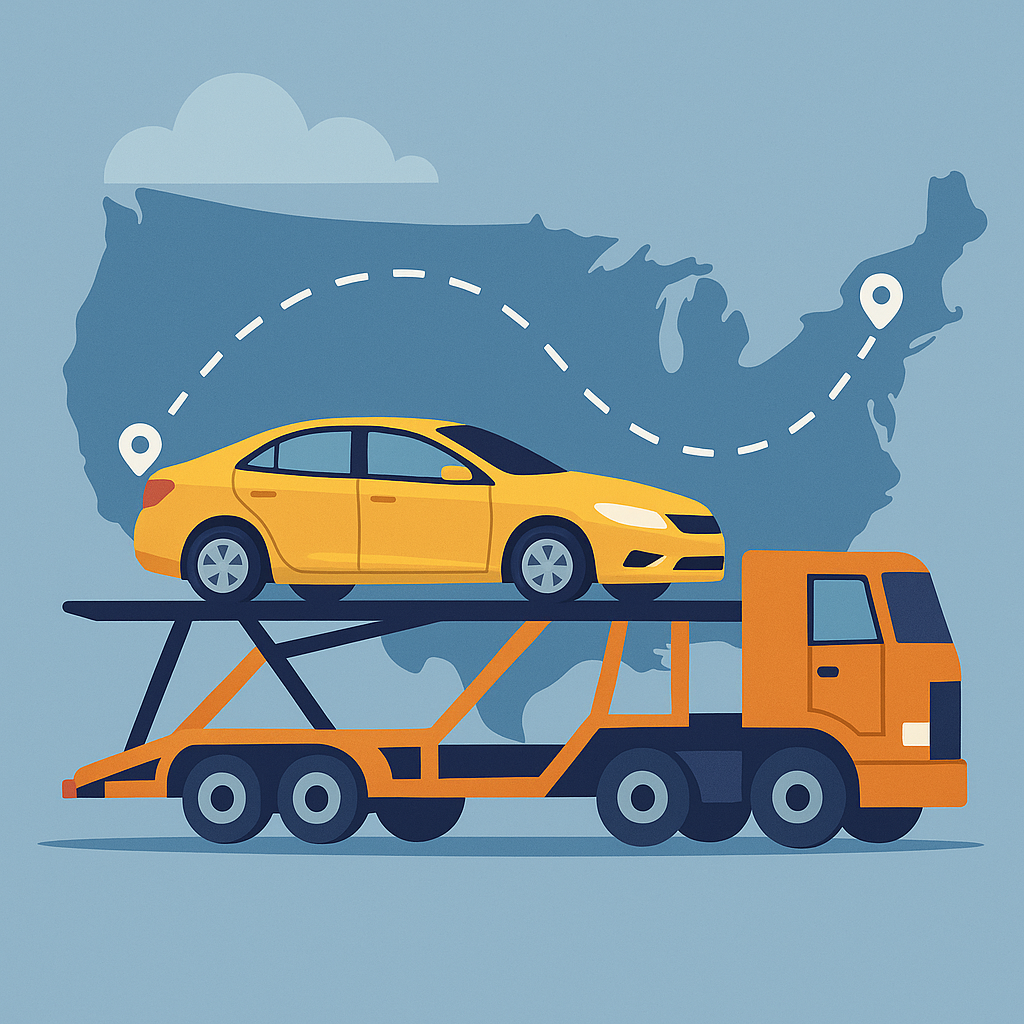
Most people planning a move eventually ask the same thing: what’s the cheapest way to transport a car from state to state? The answer isn’t a single silver bullet. It’s a mix of choices that balance cost, timing, and convenience. Carriers have to cover fuel, labor, and insurance, but there are still practical ways to keep your bill down without risking damage or delays. By comparing service types and applying a few cost-saving habits, you can lower the price while still moving your vehicle safely.
Driving the car yourself often looks cheap at first, but once you add gas, lodging, meals, and lost time, it may cost as much—or even more—than hiring a carrier. The cheapest option usually lies in smart planning rather than cutting corners. Choosing the right trailer type, being flexible with scheduling, and preparing the vehicle properly all help trim expenses without creating new headaches. For a deeper look at how rates are calculated, this guide can help: car shipping costs.
Affordable car shipping options
Open trailers are almost always the most affordable method. These are the long rigs with two levels of cars in plain view on the highway. Because they carry many vehicles at once, the cost is spread out among multiple customers. Enclosed trailers, while safer from weather and debris, usually add 30 to 60 percent to the rate. For most everyday sedans, SUVs, and trucks, open transport provides a safe balance of protection and savings.
Another affordable option is terminal-to-terminal service. Instead of door-to-door, where the truck comes to your address, you deliver the car to a terminal lot and pick it up from another lot near your destination. It requires extra effort on your part but lowers the overall price. This can be a useful choice for people who live near major highways or cities where terminals are common.
One part of budget car transport is flexibility. Drivers fill their trailers along set routes. If you can adjust your pickup and drop-off windows, it’s easier for a carrier to fit your car into an existing schedule. That saves them time and fuel, and in turn, saves you money. Customers who demand strict timing usually pay more.
Another part of budget car transport comes from how you prepare the vehicle. Keeping the gas tank at a quarter, removing personal items, folding mirrors, and disabling alarms all reduce the chance of delays. A car that loads quickly and safely is one the driver can move without extra effort. Small efficiencies here add up to lower costs for the whole run.
When people look for low-cost car shipping tips, one of the best is booking early. Last-minute shipping often costs more because routes are already planned and extra space is scarce. Early booking lets you compare carriers, review quotes, and choose the best option instead of grabbing what’s left.
Another simple low-cost car shipping tip is choosing common routes. Shipping from one major city to another is usually cheaper than remote or rural pickups. If you can meet the driver in a nearby city, the savings may outweigh the short drive you take to hand off the vehicle. A little flexibility in location can cut the price noticeably.
Cost shouldn’t be the only factor, though. Reliability matters too. If you want to balance affordability with dependability, see this resource on trusted providers: best car shipping companies. Picking the right carrier means fewer risks of delays or hidden fees, which in the long run protects your wallet.
FAQ: Cheapest ways to ship a car
Is open transport the cheapest method?
Yes. Open trailers cost less than enclosed because they carry more cars at once. For most vehicles, open transport is safe and economical.
Does terminal-to-terminal save money?
It usually does. You handle the drop-off and pickup at terminals, which reduces the driver’s time and lowers your fee.
Is it cheaper to book at the last minute?
No. Urgent bookings often cost more because carriers squeeze you into an already full schedule. Early planning is always cheaper.
Can I lower costs by putting items inside the car?
No. Carriers don’t cover personal belongings, and extra weight can increase the rate. Keep the car empty for the best price.
What about driving the car myself?
It seems cheaper, but once you add fuel, lodging, and food, it often costs the same or more than shipping—plus it adds miles and wear.
Do smaller cars cost less to ship?
Yes. Compact cars take less space and weigh less, which helps drivers fit more vehicles per trip, lowering your rate.
What’s the single most effective way to save?
Flexibility. If you can be open about pickup and drop-off dates and locations, carriers can fit you into their routes at the lowest rates.
Finding the cheapest way to transport a car from state to state comes down to balance. Open trailers, flexible scheduling, and early booking save the most money. Terminals can trim more if you’re willing to do a little extra work. Add reliable carriers to the mix, and you get both savings and peace of mind during the move.