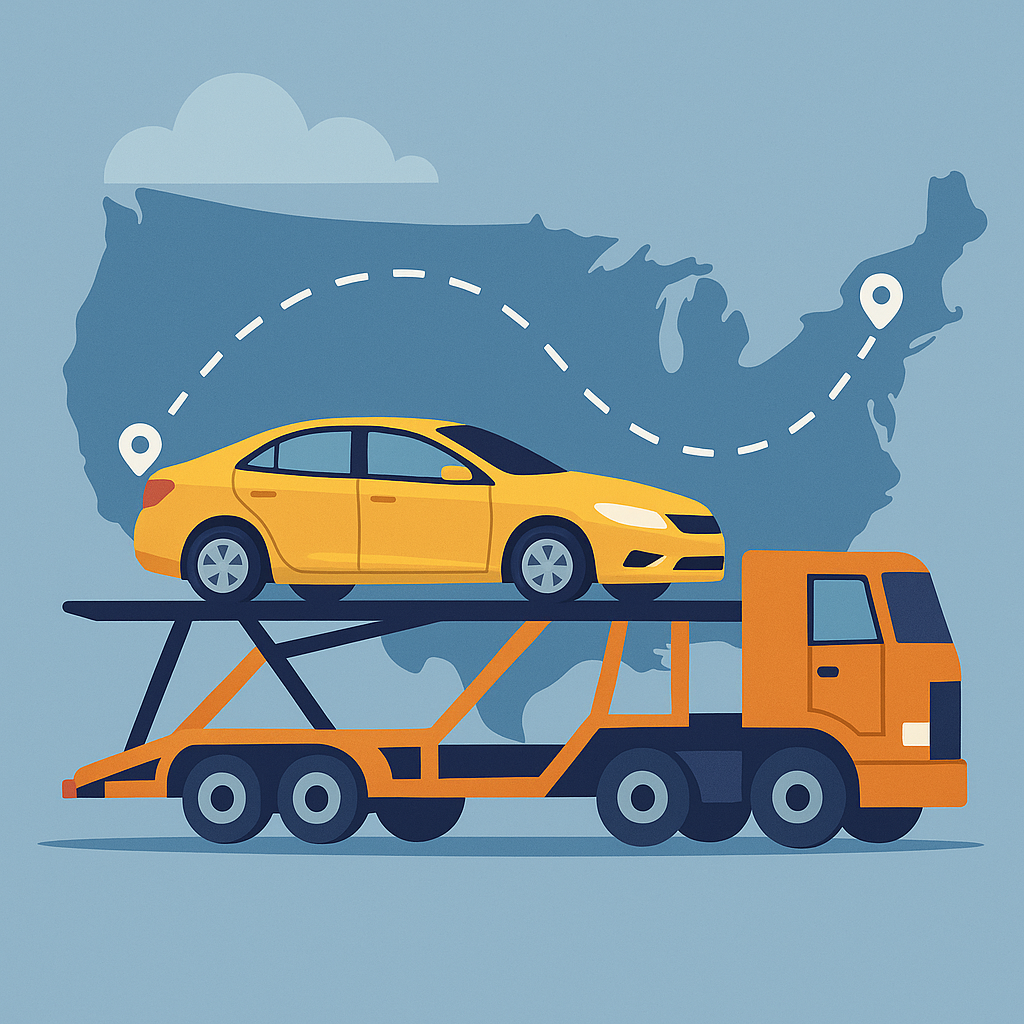
Per-mile pricing sounds neat and tidy. One number, multiply by miles, done. Real hauls do not play that way. A truck covers long corridors with fixed time at each curb, fuel that swings with routes and weather, and equipment choices that change loading angles. That is why short hops show a higher cents-per-mile figure than coast-to-coast jobs, even though the total on a long run lands higher. If you want a number that feels honest, start with route, dates, trailer type, vehicle size, and access at both ends. The cents-per-mile piece falls out of that, not the other way around.
I run cars year-round across state lines. The math looks different in January salt and mountain passes than it does in August heat across flat desert. A slow neighborhood handoff adds time. A tight apartment alley adds even more. A wide lot near a highway exit does the opposite. Per-mile pricing bends with those realities. Once you see how dispatch builds a route and how a driver loads a deck, quotes start to make sense instead of feeling random.
Two trailer paths handle most jobs. Open carriers cover more lanes and hit calmer price points. Enclosed carriers shield finishes and wheels, use soft straps and liftgates, and ride at a premium. If you want to compare equipment and pick what fits your comfort level, this page puts both options side by side: Vehicle transport options. If you want a prep list with timing and photos, this walk-through keeps it neat: How to ship a car.
Factors affecting car shipping quotes
- Distance and lane density. Busy corridors price tighter than remote starts or finishes. Empty miles drive the number up.
- Trailer choice. Open runs lower. Enclosed adds protection and special gear.
- Vehicle size and stance. Full-size SUVs, lifted pickups, roof boxes, racks, long splitters, or low lips affect ramp angles and deck position.
- Operable or not. Winch work and extra positioning time show up on the sheet for non-running units.
- Pickup and delivery access. Narrow streets, low trees, gated entries, or busy towers can add time or require a nearby meeting spot.
- Season and weather. Winter storms, heat waves, and holiday weeks push schedules and, at times, the rate.
- Scheduling window. A one- to two-day pickup span lets dispatch match your car to a truck already on that lane.
- Special requests. Top rack, single-car enclosed, or no-stack preferences can add a small premium.
- Multi-vehicle moves. Two cars on one order are easier to plan, which can help the quote.
Price per mile for car shipping. Short legs carry more time per mile. A driver still inspects, straps, signs paperwork, and fights city traffic even if the truck only rolls 150 miles. That fixed time gets spread over fewer miles, so the cents-per-mile figure reads high. Stretch the route across several states and those same minutes get spread across a bigger distance. The cents-per-mile line drops while the total climbs. That is why a quick hop can look steeper on a per-mile basis than a long glide across three regions.
Price per mile for car shipping. Route density matters. A truck full of cars on a straight corridor runs efficient miles between stops. Detours to out-of-the-way towns or limited access addresses add empty miles and slow the clock, which pushes that cents-per-mile figure upward. The other lever is deck position. A low car that needs shallow ramp angles can take longer to load. A heavy SUV might claim a specific slot to balance weight across axles. Small details at curbside have a way of showing up in that line on your quote.
Car shipping rates and fees. The base rate covers miles and equipment. From there, extras reflect real work. Enclosed service carries a premium. A request for a top rack slot or no-stack spacing adds a bit. Non-running cars bring a winch fee. Oversize width or height can push a different deck position and alter the number. After-hours access, long security lines, or storage yard wait time can appear if the driver sits longer than planned. None of this lives in mystery when itemized on paper.
Car shipping rates and fees. Coverage is focused on the vehicle itself, not loose items in the cabin, which is why I ask owners to travel light inside. Some quotes add a small charge for a hard timeline with narrow delivery hours. Others add a fee when dates shift late and force a route rebuild. If a line on the sheet looks odd, ask dispatch to label it in plain language. A clear list today saves calls later.
Picking between open and enclosed trailers changes more than the dollar figure. It sets expectations at curbside. Open carriers load fast and run constant schedules. Enclosed drivers take extra time with pads, liftgates, and soft straps. Both can be right. If you just bought a dark-painted coupe with fresh correction, enclosed starts to sound smart. If a daily driver needs to land in a new driveway without fuss, open fits. That equipment page above helps settle the choice without guesswork.
Timing can move a number more than a coupon ever will. If your pickup window floats by a day or two, dispatch can slide your order onto a truck that already has cars on your lane. That match trims empty miles and often lowers the quote. If your dates are locked around flights, closings, or report times, a firm window still works. It just narrows the truck pool and may bump the rate a bit. Either way, a clean handoff beats chasing a bargain that never gives you a steady time.
Access at both ends shapes the day. Long rigs need space to turn and set ramps. If your street is tight, pick a nearby wide road or lot and drop a pin. Label the key, fold mirrors if the model allows it, and photograph panels, roof, wheels, interior, and odometer. That photo set travels with the Bill of Lading and settles almost any question at delivery. The full prep routine lives here if you want it in one place: How to ship a car.
FAQ: Cost to ship a car across country
Why does a coast-to-coast quote show a lower cents-per-mile number than a short trip?
Fixed time at pickup and delivery gets spread over more miles on long runs. The per-mile line drops while the total climbs. Short hops stack the same curbside time onto fewer miles.
Is there a single cents-per-mile figure I can use for every route?
No. Lane density, dates, trailer type, access, and vehicle size shift that figure. A busy corridor with flexible dates looks nothing like a remote origin with hard times.
How much does open vs enclosed change the number?
Open sits lower. Enclosed adds shielding, liftgates, and pads, and the rate reflects that. Owners moving fresh finishes, low cars, or collectibles lean enclosed. Daily drivers often ride open.
Can I lower the quote without cutting corners?
A flexible pickup window, a meeting spot that fits a long truck, and complete info on size and stance help dispatch match your order to a route already in motion.
Do heavy SUVs or lifted trucks raise per-mile pricing?
They can. Height, width, and weight affect ramp angles and deck position. Share tire size, roof gear, and lift height. Good info lets a driver plan cleanly, which protects both schedule and rate.
Do carriers allow items in the car to save on shipping boxes?
Most prefer empty cabins. Coverage centers on the vehicle, not loose cargo. A charging cable or floor mats are fine. Pack the rest separately.
Where can I review trailer choices before I ask for a quote?
This side-by-side page shows how open and enclosed work on real routes: Vehicle transport options.
What if my address is hard for a big rig?
Plan a nearby lot or wide street. The driver calls ahead, you meet there, and the unload happens without tight turns or low trees eating time.
Why do two identical mile counts produce different quotes?
Stops, detours, weather, access, and deck position change the day. Same miles does not mean the same work. That is why honest quotes start with more than a map line.
If you want cents-per-mile to line up with what you finally pay, start with the parts that set the day: route, dates, trailer, size, and access. Share those pieces up front, ask for an itemized sheet, and keep your photo set with the Bill of Lading. The number on the quote and the number at the end match far more often when the plan begins that way. For equipment choices in plain terms, use Vehicle transport options. For a step-by-step plan that keeps curbside time short, follow How to ship a car.