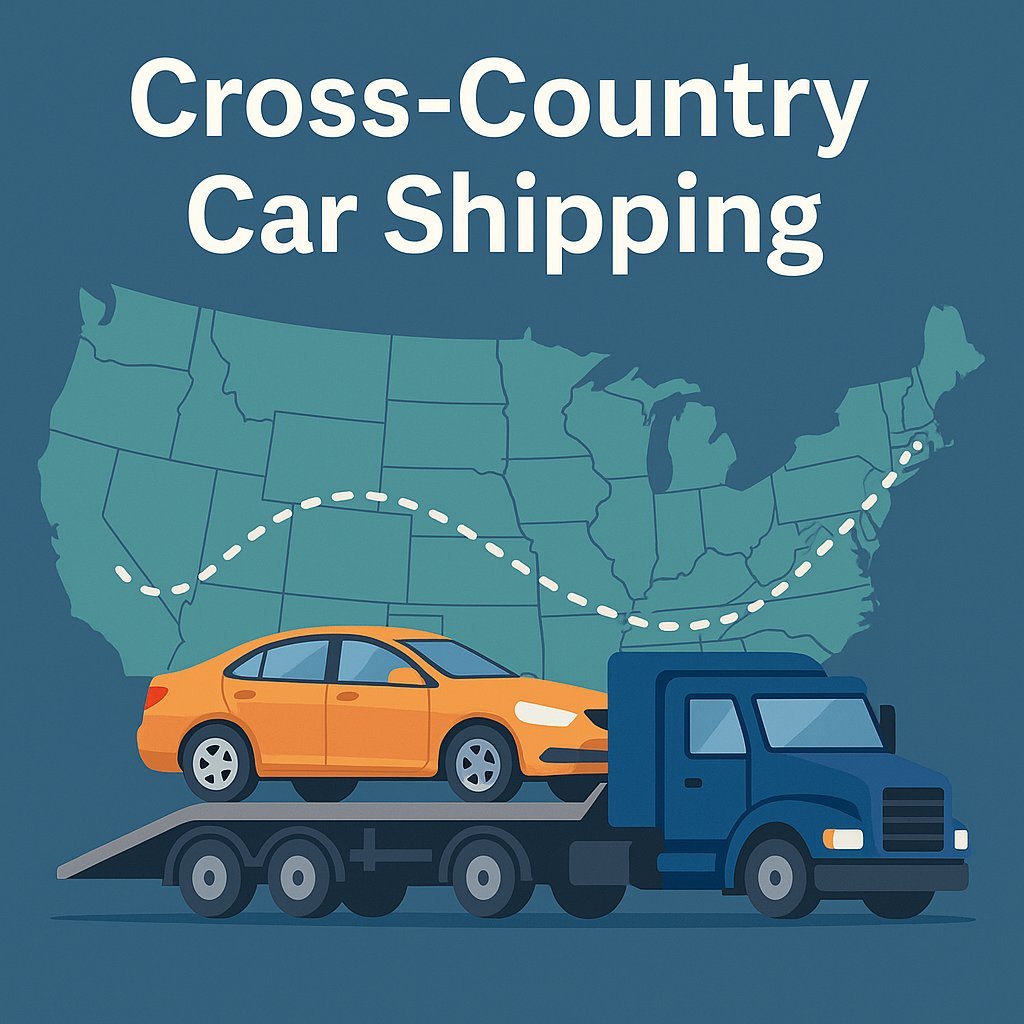
Moving a vehicle across a border is not the same as moving one across state lines. The goal is alike – get the car from point A to point B in the same condition – but the tools, paperwork, timelines, and pickup locations change. If you map the choices first, the plan writes itself. Below I lay out the main paths for car shipping in the U.S. and the paths for overseas moves, plus what each one asks from you. If you want a quick view of how schedules usually stack up by distance, this is handy to keep open while you plan: delivery timelines. For a money baseline you can match to your dates and route, start here: car shipping costs.
State to state. Inside the U.S., your vehicle rides on a truck. Most jobs use open multi-car trailers. Higher value vehicles ride in enclosed trailers with soft ties, tight interiors, and lift gates when needed. Pickup and drop are usually door to door, or as close as a long rig can reasonably reach. You sign a Bill of Lading at both ends and that document anchors the whole job.
International. Crossing oceans adds ports, government forms, and ships. Your two main options are roll-on roll-off, often written as RoRo, and container service. RoRo is a ship with decks where vehicles are parked and secured for the crossing. Container service loads your car inside a 20 or 40 foot box, sometimes shared with household goods if the forwarder offers that as a service. The handoff often happens at a port or a bonded warehouse. You will handle export and import paperwork, or appoint an agent to do it on your behalf. Transit times are longer and the handoff locations are less flexible than a domestic truck route, but it is predictable once you have a sailing date.
Open transport vs enclosed transport
Inside the U.S. Open trailers are the workhorse. They run frequent lanes, fit the budget better, and suit daily drivers. Enclosed trailers shield the car from weather and road grit and make sense for luxury, classics, fresh paint, or low ground clearance. Open tends to land faster because there are more units on the road. Enclosed takes a little longer to place, yet owners use it when condition matters more than shaving a few dollars.
Overseas. Think of RoRo as the open choice on water and containers as the enclosed choice at sea. RoRo is usually simpler at the port and often lands friendlier rates. Containers add protection and private space and can pair with household goods in the same box if your forwarder sets it that way. With either path, a domestic truck still gets involved to reach the port, so you will match a short inland haul to the sailing. If you are crossing an ocean, factor in port fees, vessel schedules, and customs time on both sides.
Insurance and prep for both. Photos before pickup protect everyone. Leave a quarter tank of fuel. Remove toll tags so they do not scan in transit. Fold mirrors. Empty the cabin and trunk. For international, clean vehicles help with agricultural checks and some destinations ask for steam cleaning underneath to satisfy quarantine rules. Keep originals of your ID and title handy, plus any export release your shipper gives you.
Door-to-door vs terminal service
Domestic door to door is the default. The driver meets you on a wide street, a lot near your home, or outside a complex if tight turns or low branches make your block a bad fit for a long trailer. Terminal service exists, but it is used less now. It can help when your dates are loose and you want to drop the car earlier than the pickup window. The tradeoff is storage fees and extra handoffs. Most owners prefer meeting the truck once and closing the job in one go.
International moves play by port rules. The practical version of door to door is door to port or port to door. You or your agent deliver the car to a terminal inside a time window before the vessel sails. On the far side, you or your agent clear the car, pay local port charges and taxes if due, and bring in a local truck to reach the final address. Some forwarders package this for you. Others leave the last mile in your hands. Plan who does what early so the car is not waiting in a yard while everyone calls around for a truck.
Driveaway vs carrier service
Driveaway means a screened driver pilots your vehicle on its own wheels to the destination. It adds miles and wear, yet it can be quick for short timelines and hard to reach towns. Insurance and breakdown plans need to be in writing. Some owners like it for older vehicles or when they want the cabin loaded with approved items because the car remains a passenger vehicle, not freight. For sensitive or low mileage cars, driveaway rarely makes sense.
Carrier service puts the car on a trailer and keeps miles off the odometer. It is the standard for most moves and the only realistic choice for inoperable vehicles. If you are pairing with an ocean leg, carrier service is how you reach the port. On arrival overseas, another carrier brings the car from the terminal to your new address if local rules allow that handoff. If not, you meet at a bonded yard nearby and finish the last mile yourself.
Costs and timing in plain terms
Domestic jobs are shaped by distance, route demand, trailer type, vehicle size, access, and the pickup window you give dispatch. Popular lanes move faster. Open rides cheaper than enclosed. A flexible window lets the dispatcher place your spot on a truck already passing through. That is how you keep both the schedule and the invoice steady. If you want examples you can map to your route, skim this page and match the lane to your dates: car shipping costs.
Overseas work adds port calendars. Ships do not sail every day. Customs work adds a few days on each end. Local holidays matter. When you lay out household goods, air travel, and vehicle arrival on one page, give yourself slack around the ship date. That way, if a vessel rolls to a later sailing, you still land within your move window. For a sense of how many days trucks take inside the U.S. before and after the vessel, this guide helps set expectations: delivery timelines.
Paperwork that keeps jobs moving
Domestic runs are simple. Bill of Lading at pickup and delivery, your registration and ID if requested, and your own photo set. Overseas adds title checks, export declarations, and a destination import packet that can include tax assessments and quarantine forms. Many owners let a licensed broker or forwarder handle those parts. It is still wise to read every page and keep copies in one folder. On both sides of the ocean, the person meeting the driver needs authority to sign.
Security and prep details that get overlooked
Disable alarms. Label the key you hand over. If the trunk release sticks or the battery is weak, tell the driver during booking so the car can be placed in a spot that loads and unloads without drama. For international, remove loose accessories, detach roof racks if they poke above roof height, and remove anything that local customs would treat as household goods. Most carriers will not accept a vehicle packed like a moving van. That rule is stricter at ports.
FAQ: Pros and cons of shipping methods
Is open transport safe for a long interstate move?
Yes. Most cars in the U.S. ride open. The tradeoff is exposure to weather. If paint or trim need extra protection, enclosed is worth the extra dollars.
RoRo or container for overseas?
RoRo is simple and usually friendlier on price. Container adds protection and private space. If you are shipping a valued car, rare trim, or parts with the car, container feels right. If the vehicle is a daily driver and you want a simpler path, RoRo is fine.
Can I get true door to door overseas?
Sometimes, depending on the destination and local trucks. Many owners end up with door to port or port to door. The last mile follows local rules and port access hours. Ask the forwarder exactly where you will meet the car on both ends.
When is driveaway a smart choice?
It works for short runs when time is tight and you accept miles on the odometer. Write down fuel, lodging, route, and insurance details. For low mileage or high value cars, a carrier is the better path.
Why do inland pickup dates matter for an ocean booking?
The truck has to hit the terminal cutoff before the sailing window. If you miss the cutoff, the vehicle waits for the next ship. Give your inland carrier room to work and you avoid storage time at the port.
Do personal items inside the car change anything?
Yes. For domestic trucks, many carriers decline items in the cabin and trunk. For ports, rules are stricter. Items can trigger delays or extra checks. Travel light.
What adds to the price besides distance?
For domestic: trailer type, access, date flexibility, and vehicle size. For overseas: port charges, documentation, customs fees, quarantine checks, and the inland truck legs. You can keep the number steady by giving a workable window and meeting the truck where it can turn.
How long does it take, roughly?
Domestic timing depends on miles and route flow. This overview gives a grounded range by distance: delivery timelines. Overseas timing is longer. You have the inland truck to the port, the sailing itself, customs on arrival, then the last mile. Your forwarder can share the next two or three sailings for your lane so you can plan around real dates.
What single mistake slows jobs the most?
Tight access on pickup day. If a long rig cannot reach your street, meet at a nearby lot with wide lanes. Five minutes of planning saves half an hour of circling.
Pick the service that fits your situation, match it to your calendar, and keep the handoff simple. For U.S. jobs, open or enclosed and a workable window carry most of the load. For overseas, choose RoRo or container, line up port dates, and give the inland truck enough room to make the cutoff. With those pieces set, the rest of car shipping is routine paperwork and a clean walk-around at delivery.