Handing your car over to a hauler for a long trip between states can feel unsettling, but most of that worry disappears when the car is ready. Preparing your car for interstate shipping isn’t complicated, though it does take a little attention to detail. A well-prepped vehicle makes the pickup smooth, avoids delays at loading, and helps ensure the car arrives in the same condition it left. Think of it as doing your part so the driver can do theirs without obstacles.
Drivers handle hundreds of vehicles a year. The ones that come ready to load are faster, safer, and less stressful for everyone involved. That doesn’t just make the driver’s day easier—it also protects your schedule, since a slow loading can push the rest of the route back. This guide covers the essentials: what to check, what to remove, and which papers to have in hand when the truck pulls up.
Vehicle shipping checklist
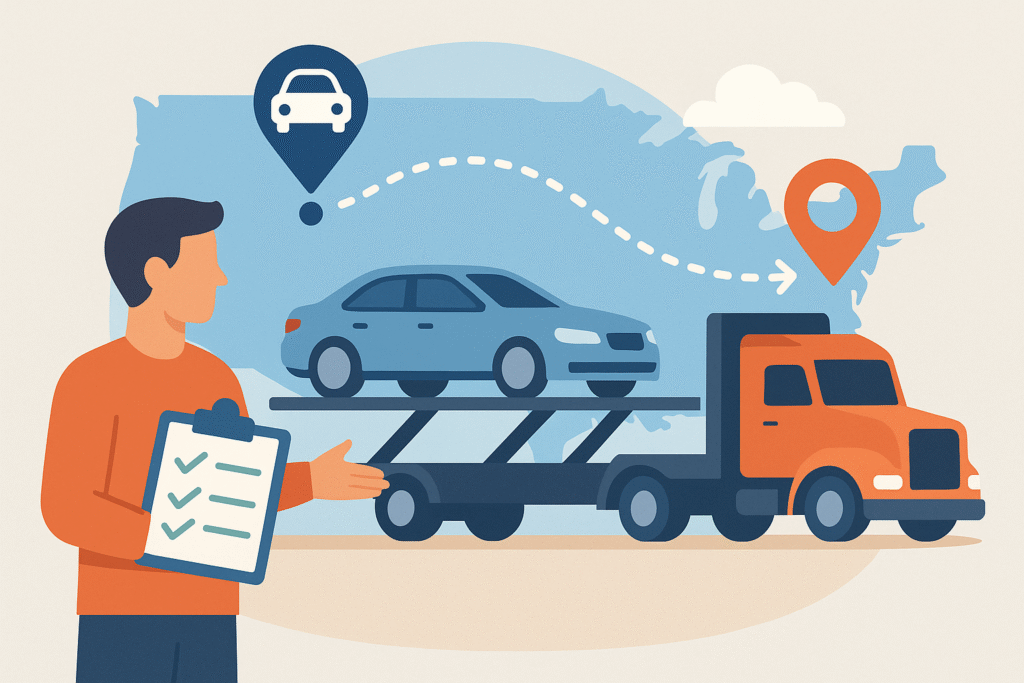
A clear checklist works better than vague advice. Here are the basics that matter every single time:
- Clean the car. A quick wash helps you spot scratches or dents and gives you clear photos for records.
- Take photos. Date-stamped pictures of every side, the roof, wheels, and interior protect you if questions come up later.
- Remove personal items. Empty the trunk, glove box, and back seats. Nothing should rattle around during transit.
- Check battery, tires, and brakes. The car must roll on and off the trailer without issues.
- Leave only a quarter tank of fuel. Enough to start and move the car, but not so much that it adds weight.
- Disable alarms. Nothing frustrates a driver more than an alarm going off during transport.
- Fold mirrors and remove accessories. Bike racks, antennas, and spoilers should come off if possible.
For a step-by-step overview beyond this checklist, you can review this full guide: how to ship a car. It walks through booking, inspection, and delivery alongside prep advice.
The quarter tank fuel requirement comes up in almost every job. It keeps the weight down without leaving the driver stuck with a car that won’t start. Full tanks add unnecessary pounds, while near-empty tanks risk stalling when the driver moves the car on or off the trailer. A quarter is just right—safe, practical, and reliable for everyone involved.
Customers are often surprised to hear just how critical it is to remove personal items and accessories before a car is shipped. Loose items in the trunk or cabin can bounce around, causing scratches or worse. Drivers and carriers also do not insure those belongings. Even lightweight things like phone chargers or clothes can cause disputes if they shift or disappear. Keeping the car completely empty is the cleanest solution.
The second part of removing items is taking off accessories. Roof racks, spoilers, detachable antennas, or custom add-ons can snag or break during loading. Even if they survive the trip, they may scrape other vehicles when cars are stacked close together. Taking them off ahead of time is safer. It also keeps the car’s profile lower, which sometimes helps it fit more comfortably on a multi-car trailer.
Cost plays into preparation too. A car that loads easily, without hidden items or unnecessary weight, helps carriers plan more efficient routes. Efficiency translates to steadier rates for everyone. If you want to understand how costs are figured, check this page: car shipping costs. It shows the factors that raise or lower a quote, from fuel prices to trailer choice.
FAQ: Preparing documents for car shipping
What documents do I need to ship my car?
Typically you need proof of ownership (registration or title), a valid ID, and your insurance card. The carrier may not need copies, but having them ready avoids hiccups.
Do I need to provide the title?
Not always. Some carriers only need registration and insurance, but others ask for a title if the car is traveling long distance or across multiple states. Confirm in advance.
Should I give copies or originals?
Keep originals with you and only hand over copies. The driver usually does not need to hold your personal documents during the trip.
What is the Bill of Lading?
It’s the main shipping document. It records the car’s condition at pickup and delivery, along with mileage. Both you and the driver sign it at each end. It protects both sides.
Do I need extra insurance paperwork?
The carrier provides coverage for the vehicle, but it’s smart to carry your own insurance details. Ask for the carrier’s certificate of insurance if you want extra peace of mind.
Can someone else sign for me?
Yes, but they should be an adult you trust. They’ll inspect the car and sign the Bill of Lading on your behalf at pickup or delivery.
Preparation isn’t about overthinking. It’s about being practical. With a clean car, a quarter tank of gas, no loose belongings, and your documents in hand, the driver’s job is simpler and your car’s trip is safer. That small effort upfront makes interstate shipping predictable instead of stressful.