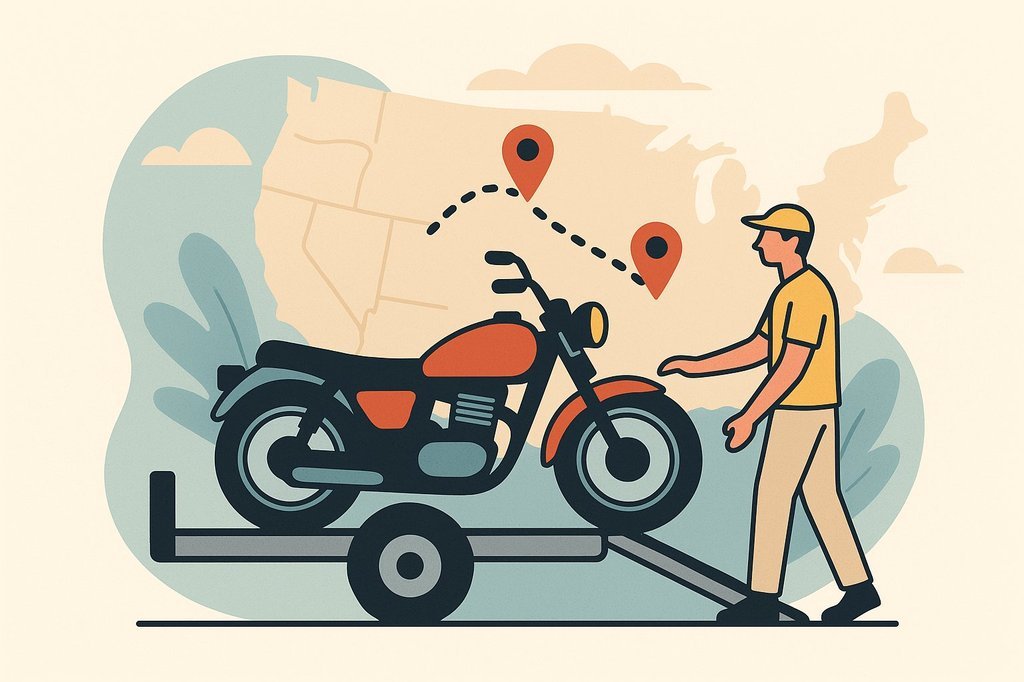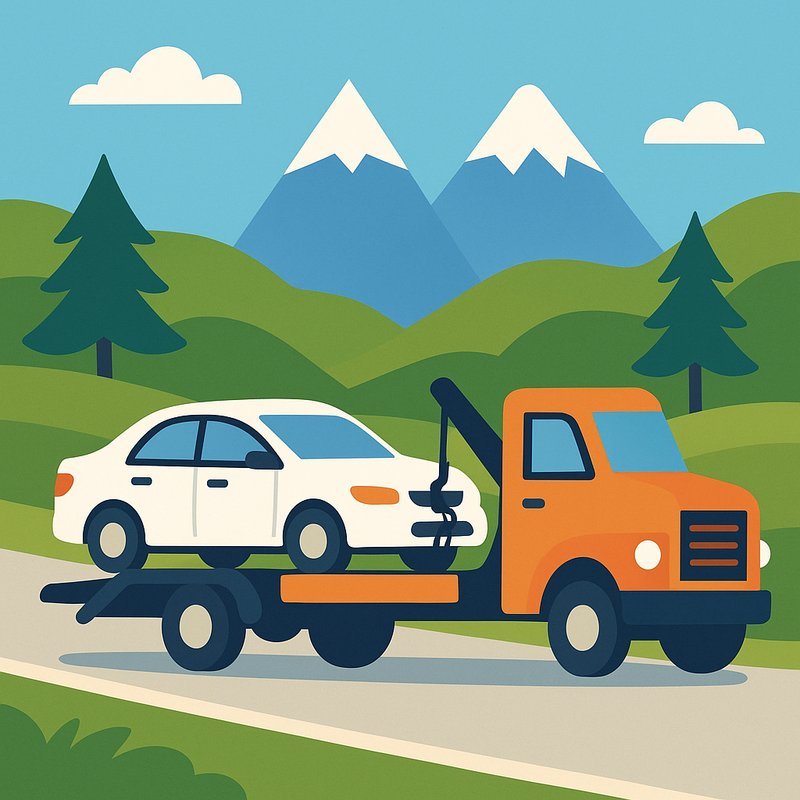
Big vehicles move differently. An SUV brings height and weight that change how a deck is loaded. A lifted pickup alters ramp angles and tie-down points. Boats and ATVs add their own quirks, and motorcycles ask for softer hands and steadier straps. I run these loads across state lines all year, and the pattern that keeps trips calm is steady preparation, honest measurements, and a plan for where a long rig can safely park. Once those pieces are sorted, car shipping for larger units stops feeling like a gamble and starts feeling like a routine handoff.
Trailer choice sets the tone. Open carriers run more routes and land at a friendlier price. Enclosed carriers protect paint, glass, and trim from wind-borne grit and stray pebbles. If you want a side-by-side look at equipment and when to pick each, this page is handy: open vs enclosed transport. Pricing follows distance, lane demand, equipment, and size. A quick way to ground expectations is here: car shipping costs. Start with origin and destination ZIP codes, then layer in height, weight, and timing. Those inputs tell most of the story.
Access for pickup and delivery matters more with tall vehicles. Long rigs need space to turn, set ramps, and clear trees or low wires. Gated communities and tight streets can be solved with a nearby lot or wide road. A dropped pin saves time. If the vehicle has a roof box, racks, or a light bar, sharing that early keeps the deck plan clean and reduces the chance of a reshuffle at curbside.
Shipping motorcycles / ATVs / boats / SUVs / trucks
Mixed loads are normal. A bike sits up top with soft ties and wheel chocks. An ATV may take a lower slot with wheel nets and axle straps to stop hop on rough pavement. A boat usually rides on its own trailer, secured at the tongue and the transom eyes. An SUV or half-ton pickup takes more space and weight, so the driver positions it to balance the deck. Each unit gets its own plan even when they ride together. The goal is tension that holds firm without crushing tires or pinching brake lines.
Communication makes all of this less stressful. If a storage yard or marina is involved, send gate hours and release contacts. If a college campus or condo tower is the destination, meet on a street that fits a long rig. I like to label the key, keep a quarter tank in the vehicle, fold mirrors when possible, and ask for a quick photo set before the truck arrives. Those small steps shorten loading and make delivery just as calm.
The phrase large vehicle transport services covers more than weight. It means planning around bridge laws, axle limits, and real-world turning space. A dually pickup may need a particular slot to avoid rubbing fenders. A lifted SUV changes approach angles, so the driver brings extra ramp sections. A long roof rack alters height, so the truck avoids certain lanes with low structures. When owners share measurements early, dispatch can match the truck without guesswork.
Pricing for large vehicle transport services reflects those choices. Oversize measurements can push a different slot or even a different trailer type. A winch fee appears if a unit does not start. A top-position request adds a small premium. None of that is mysterious once it is itemized. Ask for the lines in writing, tuck them with your photo set, and the number you see will match the day you pay.
Exotic and luxury car shipping lives in the same world but leans toward enclosed service. Collectible paint, carbon lips, ceramic-coated panels, and low splitters benefit from liftgates, soft straps, and padding at touch points. Drivers who run these loads check strap angles twice and often shoot their own photo set as a second record. If your SUV is a high-trim model with delicate wheels or a dark finish that shows everything, enclosed starts to sound reasonable even on short lanes.
The second angle on exotic and luxury car shipping is privacy and control. Fewer eyes on the vehicle, fewer stops, and a slower ramp angle. Some owners prefer single-car enclosed. Others pair a high-end sedan with an SUV in a two-car enclosed rig. Either way, the rhythm does not change: confirm credentials, choose the trailer, set the pickup window, and plan a meeting spot that fits a long truck without drama.
On timing, seasonal swings matter. Winter storms in mountain passes change routes. Summer heat slows mid-day loading in the desert. Holidays pack schedules. Flexing by a day or two lets dispatch place your vehicle on a truck already crossing your corridor. Fixed dates still work; they just narrow the pool. Share blackout days early and the plan will match.
Before we jump to questions, a word on prep. Empty the cabin and bed. Remove toll tags. If the truck has a bed cover, latch it. If the SUV carries a roof box, consider pulling it for height. If the boat rides on its trailer, check tire age, pressure, and winch strap condition. Photos at pickup and delivery protect both sides and settle conversations faster than any paragraph.
FAQ: Special considerations for vehicle types
Do SUVs and lifted trucks need different ramps?
Often, yes. Lifted suspensions and long wheelbases change approach angles. Drivers carry extra ramp sections or choose a lower slot to keep angles gentle. Share tire size and lift height during booking.
How are motorcycles secured on mixed loads?
Bikes ride in chocks with soft ties at the triple tree or bars, plus rear straps to stop sway. The driver checks tension after the first few miles and again at fuel stops.
What about ATVs and UTVs?
Wheel nets, soft loops, and axle straps hold them steady. Low ground clearance asks for a careful ramp plan. If the unit has a winch or tall light bar, mention it so the deck position fits.
How does boat transport work if the boat has its own trailer?
The trailer is secured to the carrier at the tongue and near the axle points. The bow eye and stern eyes get additional straps to stop fore-and-aft movement. Drain water from the bilge and livewell, and latch compartments.
Are dually pickups harder to place?
They are wider at the rear, so they often ride in a position with more clearance. This prevents sidewall scuffing. Share exact width if aftermarket wheels are installed.
Can a non-running SUV or truck be moved?
Yes. A winch and skates can handle it, though it adds time and a small fee. Tell dispatch if the steering or brakes do not respond, since that changes how the driver plans the slot.
Is enclosed service worth it for a high-trim SUV?
If the finish is delicate or just detailed, enclosed helps. Liftgates lower ramp angles, soft straps protect wheels, and the cabin stays out of wind-borne grit. Daily drivers often ride open without trouble.
What fuel level is best?
About a quarter tank. Enough for loading and short repositioning at delivery, without extra weight.
Any tips for EVs?
Keep the charge in the middle range, around one-third to one-half. Share ground clearance modes and how to disable alarms. Some models need a transport setting; show the driver where to set it.
Where can I compare equipment and price influences in one place?
Trailer types and use cases are outlined here: open vs enclosed transport. A pricing walkthrough by distance, route demand, and size lives here: car shipping costs.
Larger vehicles are not a problem. They just ask for a measured approach. Share height, width, and curb weight, pick the trailer that matches your comfort level, and plan a meeting spot with space. Keep the phone on, hold onto your photo set, and walk the Bill of Lading at both ends. Do that, and shipping an SUV, truck, boat, ATV, or motorcycle turns into a predictable piece of a bigger move rather than the part that keeps you up at night.